
A house fire is one of the most disruptive things a homeowner can go through, and the aftermath often brings a second wave of stress: figuring out what to do with a property that’s been damaged by smoke, flame, or water from the firefighting effort itself.
If you’re trying to sell a fire damaged house, you’re probably weighing questions about insurance, repairs, disclosure rules, and whether anyone will even want to buy a home in this condition.
The good news is that fire-damaged homes sell every day, and several realistic paths forward exist depending on your timeline, budget, and how much stress you’re willing to take on.
This guide walks through what typically happens after a fire, the main options homeowners have for selling, and the things worth understanding before you sign anything.
Understanding Your Options After a Fire
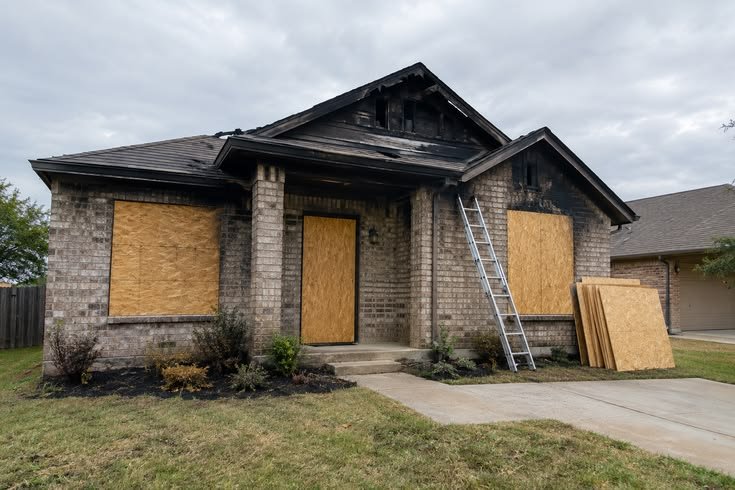
Once the immediate emergency has passed, homeowners generally choose between a few paths: fully repairing the home and selling it on the traditional market, selling it as-is at a discount to a buyer willing to take on renovation, or working with a company that buys homes for cash in their current condition.
Each option has trade-offs in terms of time, out-of-pocket cost, and how much money ultimately lands in your pocket.
There’s no universally “right” answer here. A lot depends on how severe the damage is, whether you have the funds or patience to manage a rebuild, and how quickly you need to move on. Some homeowners are dealing with a total loss and want to be done with the property entirely.
Others have relatively minor smoke or water damage and might be better off making targeted repairs before listing.
Should You Repair Before Selling, or Sell As-Is?
This is usually the first big decision point, and it’s worth thinking through carefully rather than defaulting to whatever feels easiest in the moment.
Repairing First
Repairing before you sell can result in a higher sale price on the open market, but it comes with real costs: contractor availability, permitting, inspection requirements, and time.
Fire and smoke damage repairs often take months, not weeks, especially if structural elements, electrical systems, or HVAC ductwork were affected. During that time, you’re typically still covering the mortgage, insurance, utilities, and property taxes on a home you can’t live in or rent out.
Selling As-Is
Selling as-is means listing (or selling directly) without doing the repair work yourself. This is often the more practical route when the damage is significant, when you don’t have the cash on hand to front repair costs, or when you simply don’t want to manage a renovation project on top of everything else you’re dealing with after a fire.
The trade-off is that as-is sales typically bring a lower price than a fully restored home, since the buyer prices in the cost and risk of the repairs they’ll need to make.
How Insurance Fits Into the Process
If your home was insured at the time of the fire, your insurance claim and your home sale are related but separate processes, and it helps to keep them straight.
Depending on your policy and how far along your claim is, you may have already received (or be entitled to) funds for the structure, for personal property, or for additional living expenses while displaced.
It’s generally a good idea to resolve or at least clarify the status of your insurance claim before finalizing a sale, since unresolved claims can sometimes be assigned or factored into the transaction depending on how your policy and state law handle it.
An insurance adjuster’s damage assessment can also be a useful document to have on hand, since it often provides a third-party estimate of the scope of damage that buyers, appraisers, or cash buyers may want to see.
If you’re unsure how your specific policy or claim affects a potential sale, talk with your insurance agent or a real estate attorney before you move forward.
Disclosure Requirements When You Sell a Fire-Damaged House
Nearly every state requires sellers to disclose known material defects to a buyer, and fire damage is generally considered exactly that kind of defect, even after repairs.
Trying to hide or downplay past fire damage can expose you to legal liability later, so honest, documented disclosure is almost always the safer path regardless of which state you’re in.
That said, disclosure laws, required forms, and specific timelines vary considerably from state to state, and some states have more detailed requirements than others.
Because of that variation, it’s important to verify the specific disclosure requirements in your state, and to talk with a local real estate attorney or licensed agent if you have any doubt about what you’re required to share and how.
What Affects the Value of a Fire-Damaged Property
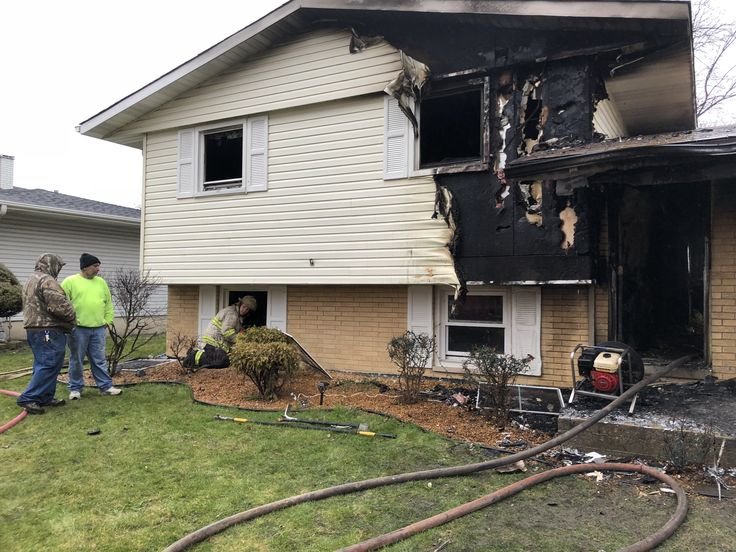
Buyers and cash buyers alike will typically look at a combination of factors when they think about what a fire-damaged home is worth, including:
#1. Extent of structural damage — whether framing, load-bearing walls, or the roof were compromised, versus damage that was largely cosmetic or contained to one area.
#2. Smoke and soot penetration — smoke damage can spread well beyond the visible burn area and often requires specialized remediation, even in rooms that look untouched.
#3. Water damage — firefighting efforts frequently leave significant water damage behind, which can lead to mold if not addressed quickly.
#4. Age and condition of major systems — electrical, plumbing, and HVAC systems may need inspection or replacement depending on how close the fire came to them.
#5. Local market conditions — demand for fixer-upper or renovation properties varies by area, which affects how much interest an as-is fire-damaged home will attract.
A licensed contractor or public adjuster can help you get a clearer, itemized picture of the damage, which can be useful whether you decide to repair, list as-is, or sell to a cash buyer.
The Cash Sale Option for Fire-Damaged Homes
For many homeowners dealing with fire damage, a direct cash sale is often the most practical route. Selling to a cash home buyer generally means no repairs, no staging, no waiting for financing to fall through, and no lengthy listing process while the property sits vacant and exposed.
Because the buyer is purchasing the property in its current condition, there’s typically no need to bring in contractors, coordinate inspections beyond a basic walkthrough, or negotiate repair credits after a buyer’s inspection turns up more damage than expected.
This route usually comes with a lower sale price than a fully repaired home would command on the open market, since the buyer is factoring in the cost and effort of restoring the property themselves.
For homeowners who are prioritizing speed, simplicity, and avoiding further financial exposure on a damaged property, that trade-off is often worth it.
Moving Forward
Selling a Fire-Damaged House is rarely simple, but it’s a well-worn path, and you have more options than it might feel like in the immediate aftermath.
Whether you decide to repair and list traditionally, sell as-is on the open market, or pursue a direct cash sale, take the time to understand your insurance situation and your state’s disclosure rules before moving forward.
If you’d rather skip the repairs, the waiting, and the uncertainty, webuyhousesfastusa.com buys homes in as-is condition, including fire-damaged properties, and can provide a no-obligation cash offer so you can see what a fast, straightforward sale might look like for your situation.
