
Discovering water or flood damage in your home is stressful enough without also having to figure out what it means for a sale.
Whether it’s a slow leak that warped the hardwood floors, a burst pipe that soaked the drywall, or damage from an actual flood event, homeowners in this situation often want to know one thing: can you actually Selling a House With Water Damage, and if so, how?
The short answer is yes. You can sell a house with water damage, but whether you repair it, list it as-is, or sell for cash will shape your timeline, paperwork, and how much you walk away with.
This guide walks through what water damage means for a home sale, what you’re legally expected to tell buyers, and the realistic options available to you.
Why Water Damage Complicates a Home Sale
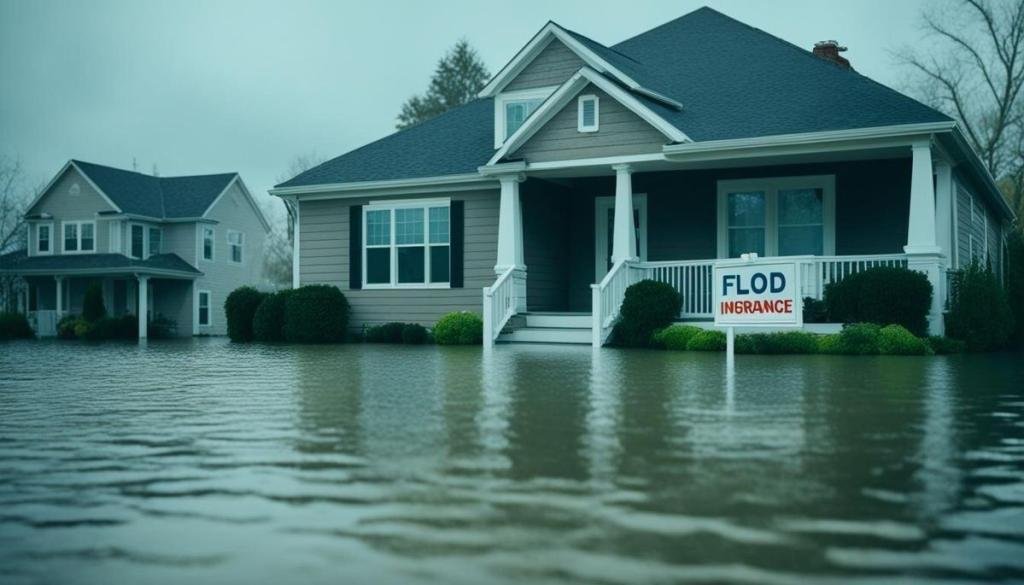
Water damage isn’t just cosmetic. Depending on how long moisture sat in the home and where it reached, it can affect flooring, subfloors, drywall, insulation, electrical systems, and structural framing.
It can also lead to mold growth, which brings its own health and remediation concerns. Traditional buyers, and especially their lenders, tend to be cautious about these issues.
A conventional mortgage lender may require a clean inspection and appraisal before approving a loan, and visible water stains, musty odors, or a documented flood history can slow or derail that process entirely.
That doesn’t mean the house is unsalable. It means the pool of buyers willing (or able) to buy it as-is is smaller than the pool for a move-in-ready home, and that can affect price and timeline.
Do You Have to Disclose Water or Flood Damage?
In most states, sellers are required to disclose known material defects to buyers, and past or present water damage typically falls into that category. This can include prior flooding, roof leaks, plumbing failures, foundation moisture, or mold remediation work.
Failing to disclose known issues can expose you to legal liability after closing, even if the buyer purchased the home as-is.
Disclosure laws, required forms, and what you must report vary significantly by state, so verify the exact requirements for your property’s location, or consult a real estate attorney or agent familiar with your state’s rules.
As a general practice, when in doubt, disclose. Being upfront about known damage protects you legally and builds trust with buyers, which can smooth the transaction rather than slow it down.
Your Options for Selling a House With Water Damage
Once you’ve confirmed what you’re dealing with, homeowners generally have three paths forward.
Repair Before Selling
Fixing the damage before listing can attract more buyers and help you get a higher sale price on the open market. This route usually makes the most sense when the damage is limited, you have the cash or time to fund repairs, and you don’t need to sell quickly.
The tradeoff is cost and time: depending on the extent of the damage, repairs can range from a modest few thousand dollars for minor drywall and flooring work to a much larger investment if mold remediation, structural repair, or full system replacement is needed.
Damage is also often more extensive than it first appears once walls are opened up, which can turn a planned two-week project into a much longer one.
Sell As-Is on the Open Market
Listing the home as-is through a real estate agent is another option. This can work, but it typically means pricing the home to reflect the needed repairs, being prepared for a smaller buyer pool, and accepting that financed offers may fall through if an appraisal or inspection flags the damage.
Many as-is buyers on the open market still hope for lender approval, which puts you back in the same bottleneck.
Sell to a Cash Home Buyer
Selling directly to a cash buyer is often the option homeowners consider when damage is significant, they don’t have the funds or desire to repair, or they need to move on quickly.
Because cash buyers purchase homes in their current condition and aren’t relying on traditional mortgage financing, water stains, mold, or an unfinished repair job typically aren’t deal-breakers the way they would be for a conventional buyer and lender.
This route tends to trade some top-line sale price for speed, certainty, and avoiding repairs yourself.
How Water Damage Affects Your Home’s Value
It’s hard to give a precise number because so much depends on the damage’s extent and location, the local market, and whether the issue is fully resolved or ongoing.
Cosmetic staining from an old, already-repaired leak affects value far less than active mold, structural rot, or a history of repeated flooding. Buyers and appraisers will also consider whether the damage was professionally remediated and documented, since that paperwork can reassure a buyer the issue is truly behind them.
For a sense of value, a conversation with a local agent, appraiser, or cash buyer who can walk the property is usually more useful than any general rule of thumb.
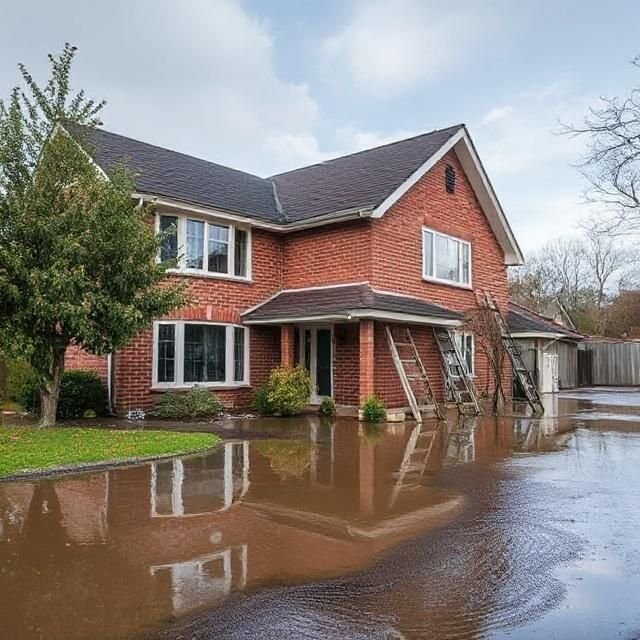
Insurance, Mold, and Other Complications to Watch For
A few things are worth checking before you decide how to move forward:
#1. Insurance claims: If the damage resulted from a covered event, you may need to disclose a paid or in-progress claim, and it may also affect what a buyer’s insurer is willing to cover going forward.
#2. Flood zone status: If the home is in a designated flood zone, buyers using financing may be required to carry flood insurance, which can affect their monthly costs and their decision to buy.
#3. Mold: Mold growth after water intrusion is common and often requires professional testing and remediation rather than a simple cleanup.
#4. Permits: If repairs were already done, having permits and documentation on hand can help reassure buyers that the work was done correctly.
Because insurance rules, flood zone requirements, and remediation standards vary by location, check with your insurance provider and a local professional before finalizing your approach.
Steps to Take Before You List
#1. Get a clear picture of the damage, ideally with a professional inspection, so you know what you’re actually dealing with.
#2. Gather any documentation you have: insurance claims, remediation receipts, permits, or inspection reports.
#3. Decide whether repairing, listing as-is, or selling for cash fits your timeline, budget, and stress tolerance.
#4. Talk to a local real estate professional or attorney about your state’s disclosure requirements.
#5. Get more than one opinion on value before committing to a path, whether that’s agent estimates or cash offers.
Getting a Cash Offer on Your Water-Damaged Home
If managing repairs, disclosures, and a traditional listing feels like more than you want to take on, consider selling to a cash buyer.
At webuyhousesfastusa.com, we buy houses in as-is condition, including homes with water or flood damage, without asking you to make repairs or clean anything up first.
You can request a no-obligation cash offer, see what a straightforward, fast closing could look like for your situation, and decide from there whether it’s the right fit. Whatever path you choose, taking the time to understand your options is a good first step toward moving forward with less stress.
