
If you’re considering a winter listing for your house in December, January, or February, you’ve probably heard a version of the same warning: don’t sell in winter; wait for spring. It’s one of the most repeated pieces of real estate advice, and like much conventional wisdom, it’s only partly true.
Many homeowners sell houses in winter every year, and many do so successfully, sometimes with less hassle than in the “hot” spring market.
Whether winter is a bad time to sell depends less on the calendar and more on your home, your local market, and your reasons for selling.
Let’s look at where this myth comes from, what’s actually true about selling during the colder months, and how to decide whether it makes sense for your situation.
Where the “Winter Is a Bad Time to Sell” Myth Comes From
The idea that winter is a poor time to sell isn’t baseless; it’s rooted in real seasonal patterns. In most parts of the country, fewer buyers are house-hunting between Thanksgiving and the end of January. People are busy with holidays, family travel, and year-end work deadlines.
School-age families, who make up a large share of buyers, often prefer to move during summer break rather than mid-school-year.
Cold weather, shorter daylight hours, and messier commutes also make some buyers less inclined to attend open houses or showings.
All of that is real. But “fewer buyers” doesn’t automatically mean “worse outcome for sellers.” It just changes the shape of the market you’re selling into.
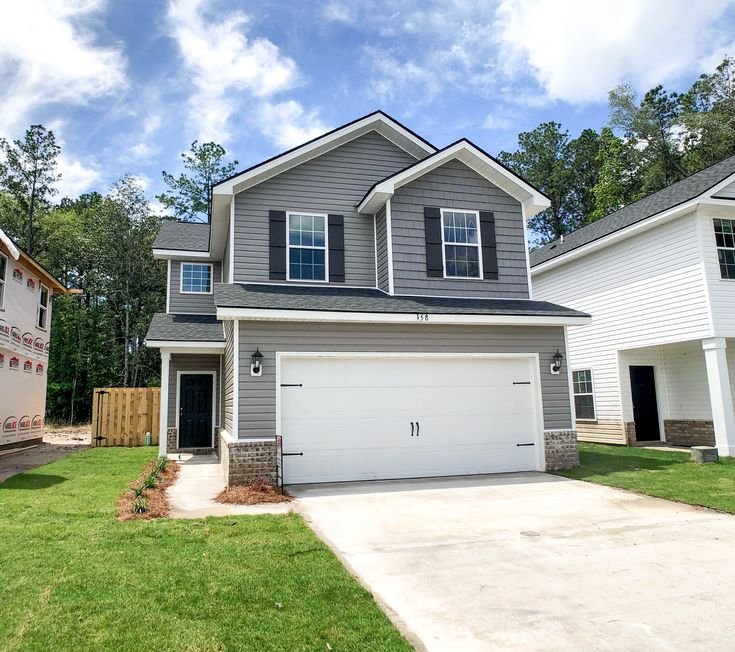
The Case for Selling in Winter
Fewer buyers browsing means fewer homes competing for their attention too. Many sellers list in spring because they’ve been told to, so winter listings often face less competition. Your home may stand out more simply because there’s less noise.
Buyers Who Shop in Winter Tend to Be Serious
Someone touring homes in a snowstorm or between Christmas and New Year’s usually isn’t just casually browsing.
Winter buyers are frequently motivated by real deadlines: a job relocation, a lease ending, a life change, or a closing they need to complete before a certain date. That motivation can translate into faster decisions and smoother negotiations.
Agents, Inspectors, and Lenders Often Have More Bandwidth
During the busiest spring and summer months, real estate agents, home inspectors, appraisers, and lenders can be stretched thin, which sometimes slows down transactions.
In the quieter winter months, these same professionals often have more time to devote to your sale, which can help things move more efficiently from listing to closing.
Your Home Can Show Well Too
A warmly lit home with a tidy walkway, a working furnace, and cozy staging can feel genuinely inviting in winter, sometimes more so than a house competing with dozens of similar listings in June. Coziness sells.
What Can Make Selling in Winter More Challenging
To be fair to the myth, winter selling does come with real obstacles worth acknowledging.
#1. Curb appeal is harder to control. Bare trees, dead grass, and snow cover can make a home look less vibrant in listing photos than it would surrounded by spring blooms.
#2. Weather can disrupt showings. Snow, ice, and cold snaps may lead buyers to cancel or postpone visits, particularly in regions with harsher winters.
#3. Holidays eat into the calendar. Late December in particular tends to be slow, as many buyers pause their search until after the new year.
#4. Maintenance concerns get more scrutiny. Winter buyers often pay close attention to how well the furnace, insulation, and roof are holding up, which can work for or against you depending on the home’s condition.
None of these issues are dealbreakers, but they do mean a winter sale usually requires a bit more intentional preparation than a spring one.
Tips If You Do Decide to Sell in Winter
Lean Into the Season, Don’t Fight It
Good lighting, a clean and de-iced walkway, and a warm indoor temperature during showings go a long way. Simple seasonal touches without overdoing holiday decor can help a home feel welcoming rather than stark.
Price It Thoughtfully
Because buyer volume is typically lower, pricing accurately from the start matters even more in winter. An agent or a comparative market analysis based on truly recent, local sales can help you avoid sitting on the market longer than necessary.
Pricing and demand can vary significantly by state and even by neighborhood, so treat any national trend as a general guide rather than a guarantee for your specific area.
Be Flexible With Showings
Winter buyers are often working around holiday travel and shorter days. Offering flexible or virtual showing options can widen your pool of interested buyers.
Is Selling in Winter Right for You?

The better question usually isn’t “is winter a bad time to sell house-wise, generally speaking” but “is winter a bad time for me to sell, given my situation.”
If you’re selling because of a job relocation, a divorce, an inherited property, financial hardship, or simply a need to move on a specific timeline, waiting several months for a “better” season may cost you more in carrying costs, stress, or missed opportunities than any seasonal pricing difference would save you.
On the other hand, if you have full flexibility and your local market shows a strong, well-documented spring bump, it may make sense to wait.
If taxes, timing of a sale relative to a move, or other financial considerations are part of your decision, keep in mind that rules and processes can vary by state, and this article isn’t a substitute for advice from a local real estate attorney, tax professional, or agent familiar with your area.
When a Traditional Winter Listing Isn’t the Right Fit
For some homeowners, even a well-prepared winter listing doesn’t solve the underlying problem: you need certainty and speed more than you need to maximize every last dollar through months of showings, negotiations, and financing contingencies.
That’s especially common for people facing foreclosure timelines, a home that needs significant repairs, an inherited property they don’t want to manage, or a life circumstance that leaves no room to wait out a slow season.
In those cases, selling directly to a cash buyer can be a practical alternative to a traditional winter listing. It typically means no staging, no cold-weather showings, no repair negotiations, and a closing timeline measured in days or weeks rather than months.
Winter isn’t inherently a bad time to sell a house; it’s simply a different market with its own trade-offs.
If you’re weighing your options and want to understand what a straightforward, no-obligation cash offer for your home would look like, We Buy Houses Fast USA can provide a fair, fast offer so you can make the decision that fits your timeline, not the calendar’s.
