
If you need cash now but don’t want the upheaval of moving out, you might be asking yourself: can I sell my house and rent it back? The short answer is yes.
This arrangement, known as a sale-leaseback, lets you sell your property for cash while staying on afterward as a paying tenant, sometimes for a few months, sometimes for a year or more. It has become a more visible option as homeowners look for ways to access their home equity without packing a single box.
Own a rental you want to exit? Here is how to sell a tenant-occupied rental fast without showings.
This guide explains how a sale-leaseback works, who it tends to fit, and what to check carefully before you sign anything.
What Is a Sale-Leaseback, Exactly?
A sale-leaseback is exactly what it sounds like: you sell your home to a buyer, and as part of the same deal, the buyer agrees to lease the home back to you. Instead of moving out at closing like a traditional sale, you sign a lease and stay in the same house as a renter.
Sale-leasebacks have been common in commercial real estate for decades. Companies sell office buildings or warehouses to investors, then lease the space back to free up capital without relocating operations.
The same basic structure has been adapted for individual homeowners, and cash home-buying companies often offer it as an alternative to a standard as-is sale.
Can I Sell My House and Rent It Back? Here’s How It Works
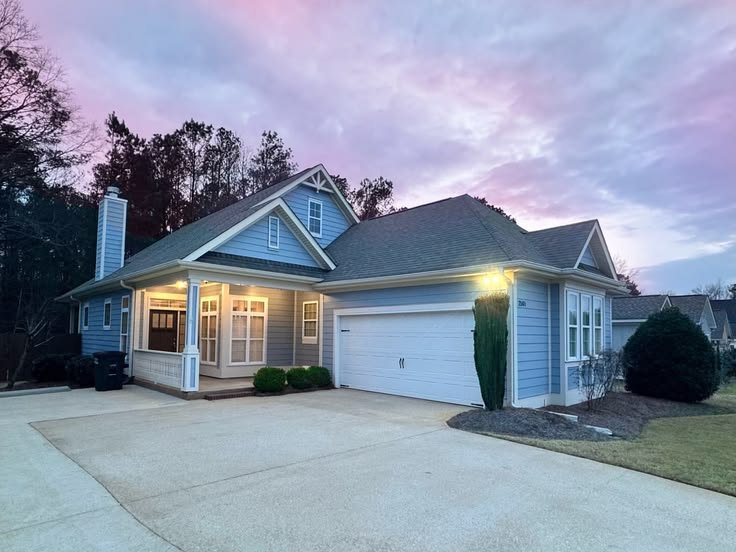
In practice, a residential sale-leaseback usually follows a few simple steps:
#1. You get a cash offer. A buyer evaluates your home and presents a purchase price, often without requiring repairs or showings.
#2. You negotiate the lease alongside the sale. Before closing, you and the buyer agree on the rent amount, lease length, renewal options, and who is responsible for things like maintenance, property taxes, insurance, and HOA dues going forward.
#3. You close on the sale and receive your proceeds. Ownership transfers to the buyer, typically within days to a few weeks rather than the months a traditional listing can take.
#4. You move into the lease as a tenant. You keep living in the same home, in the same neighborhood, on the same street, just as a renter instead of an owner.
Why Homeowners Consider a Sell and Rent Back Arrangement
People explore this option for a range of reasons, and most of them come down to needing flexibility that a traditional sale doesn’t offer.
Common Situations
#1. Needing to access equity quickly for medical bills, debt payoff, or a business need, without the stress of finding a new place to live at the same time.
#2. Wanting to avoid foreclosure while buying time to figure out a longer-term housing plan.
#3. Planning to downsize eventually, but not ready to move right now and hoping to avoid a double move.
#4. Between selling one home and buying the next, and needing a bridge so kids can finish a school year or a job transition can settle.
This is sometimes called a sell and rent back arrangement, and it tends to appeal most to people who value speed and certainty over squeezing out the highest possible sale price.
Sale-Leaseback vs. a Traditional Home Sale
A traditional sale usually means listing with an agent, hosting showings, negotiating repairs, and moving out by the closing date, often while also juggling the purchase of a new home. Timelines can stretch for months and depend heavily on buyer financing.
A sale-leaseback with a cash buyer flips several of those variables. The close can happen quickly; you avoid a second move in the short term, and you know exactly what your monthly housing cost will look like as rent.
In exchange, offers on leaseback deals are often somewhat below full retail market value, since the buyer is pricing in speed, certainty, and the arrangement of becoming your landlord rather than competing for the highest bid on the open market.
It’s a genuine trade-off, not a free upgrade; weigh the value of staying put and getting cash fast against what you might net from a longer, traditional listing process.
What to Watch Out For Before You Sign
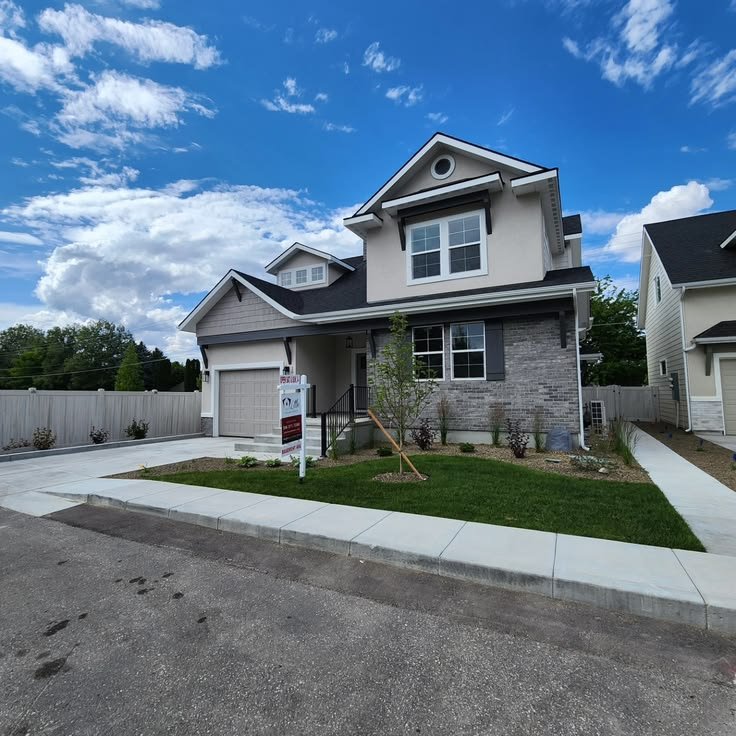
Because a sale-leaseback combines a home sale and a lease into one transaction, the details matter more than usual.
Read the Lease Terms Carefully
Pay close attention to the rent amount compared to typical local rental rates, the lease length, whether it renews and under what conditions, and who is responsible for repairs, property taxes, insurance, and HOA dues once you’re the tenant rather than the owner.
Get Everything in Writing
Document both the purchase agreement and the lease clearly, and have a real estate attorney review both before you sign.
Landlord-tenant rights, notice periods, and eviction rules vary significantly by state, so specifics should always be verified locally or with a licensed professional rather than assumed from something you read online.
If you’re hoping to eventually buy the home back, be clear that a simple leaseback is different from a rent-to-own agreement; ask directly whether a buy-back option exists and get it in writing if so.
Is a Sale-Leaseback Right for You?
A sale-leaseback tends to make sense if you need cash relatively fast, want to stay in your current home rather than relocate, and are comfortable with renting rather than owning going forward, at least for a while.
Homeowners who search “can I sell my home and rent it back” are usually weighing that same core trade-off: immediate cash and a familiar address now against long-term ownership and equity growth later.
It may be less of a fit if your main goal is to maximize sale price through a competitive open-market listing, or if long-term housing certainty beyond a fixed lease term matters to you.
There’s no universally right answer; it depends on your timeline, your finances, and how much you value staying exactly where you are.
Ready to Talk Through a Cash Sale-Leaseback?
If you’re weighing whether a sale-leaseback makes sense for your situation, it helps to talk it through with a buyer who can lay out real numbers rather than guesswork.
At webuyhousesfastusa.com, we buy houses nationwide, as-is, for cash, and we’re happy to discuss rent-back options as part of that conversation.
Reach out for a no-obligation cash offer, and we can walk through what a sale-leaseback could look like for your home and your timeline.