
If you’re getting ready to sell your home, you’ve probably started making a list: paint the trim, fix the leaky faucet, maybe replace that stained carpet in the hallway.
Before you spend a weekend at the hardware store, it’s worth stepping back and looking at the real cost of repairing a house before selling, not just in dollars, but in time, stress, and the risk of spending money you never get back.
For many homeowners, especially those dealing with an inherited property, a job relocation, or a home that’s been neglected for a while, the repair math doesn’t always match what home improvement shows make it look like.
This isn’t a case against fixing anything. Some repairs genuinely help a sale go smoother. But “get it market-ready” can turn into a much bigger project than most sellers expect, and it helps to understand where the costs really come from before you commit.
What Counts as “Repair Costs” When You’re Prepping a House to Sell
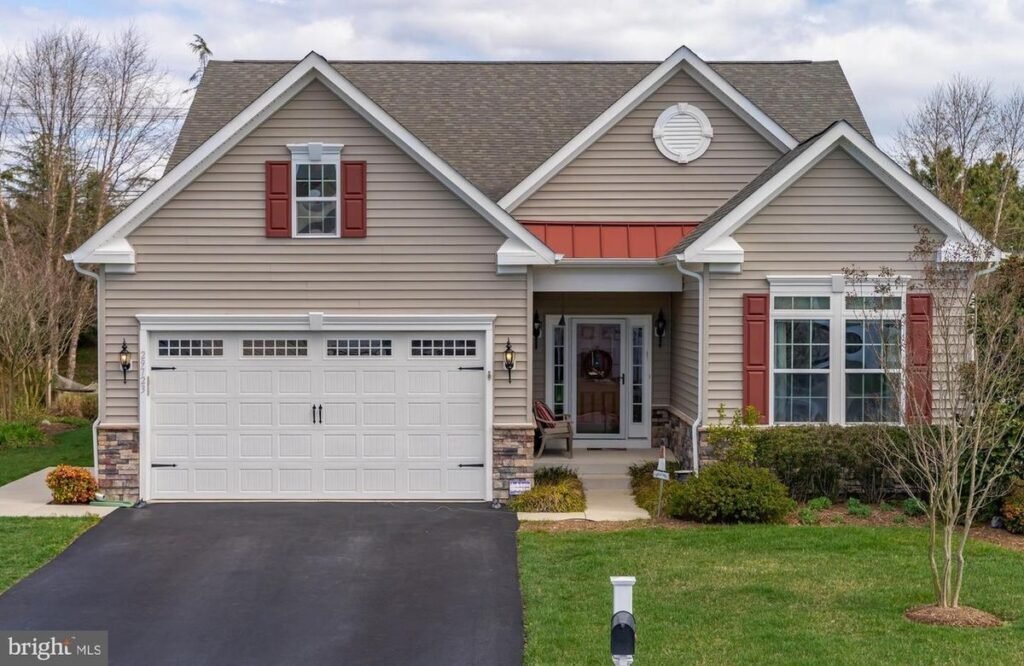
When homeowners think about repair costs, they usually picture the obvious things a new coat of paint, a patched hole in the drywall.
But the full cost to repair a house before selling typically includes several layers most people don’t budget for upfront:
#1. Materials and labor for the repair itself
#2. Permits and inspections, which are often required for electrical, plumbing, or structural work
#3. Contractor scheduling delays, which can stretch a “quick fix” into weeks
#4. Carrying costs: mortgage, property taxes, insurance, and utilities for however long the house sits unsold and unlisted while work happens
#5. The risk of discovering more problems once a wall or floor is opened up
That last point trips up many sellers. A contractor pulls up old flooring to replace it and finds damage to the subfloor. An electrician opens a panel to add an outlet and finds outdated wiring that a buyer’s inspector would have flagged anyway. Repairs often uncover more repairs.
Typical Repairs Homeowners Face Before Listing
Every house is different, and costs vary significantly by region, contractor availability, and the home’s age and condition.
The ranges below are a general guide only; get local quotes before assuming any of these numbers apply to your situation.
Cosmetic and Move-In Ready Updates
Fresh paint, deep cleaning, minor landscaping, and small cosmetic fixes are usually the least expensive category, though they add up quickly across an entire house.
Real estate agents often recommend these repairs because they tend to offer the best return relative to cost, but “relative to cost” still assumes you have the cash and time to do them.
Systems and Structural Repairs
Roofing, HVAC, plumbing, electrical, and foundation issues are where costs escalate fast. Buyers and their inspectors care most about these repairs because they affect safety, financing, and insurability.
A failing roof or aging furnace can run into the thousands, and foundation work can cost much more, depending on severity.
Curb Appeal and First Impressions
Driveway cracks, an overgrown yard, peeling exterior paint, or a dated front door won’t stop a sale outright, but they can shape buyers’ first impressions before they even walk in. Fixing these is often low-cost but still takes time and coordination.
The Hidden Costs Beyond the Repair Bill
The repair invoice rarely tells the whole story. A few costs that catch sellers off guard:
#1. Carrying costs while repairs are underway. Every extra month before you list means more mortgage payments, taxes, insurance, and utilities you’d rather put toward your next move.
#2. Financing the work itself. Homeowners without cash on hand sometimes use credit cards or personal loans to cover repairs, which adds interest on top of the repair cost.
#3. Opportunity cost. Time spent managing contractors and repairs is time you’re not spending on the next chapter: a new job, a move, settling an estate, or simply moving on from a stressful situation.
#4. Emotional cost. For homeowners dealing with divorce, a death in the family, or financial hardship, weeks or months of ongoing repair work can add real stress at an already difficult time.
None of this means repairs are a bad idea in every case. It means the true cost to repair a house before selling is usually higher and takes longer than the initial estimate suggests.
Does Repairing Before You List Actually Pay Off?
This depends heavily on your local market, the specific repair, and how long the process takes. In a competitive, fast-moving market, a well-timed cosmetic refresh can help a home sell faster and closer to asking price.
In a slower market, or with major system repairs, the math is less certain; many homeowners find that the repair cost, plus the carrying costs of extra time on the market, eats into most or all of the price bump the repair was supposed to bring.
It’s also worth asking a simpler question: do you actually have the cash, credit, or time to do the repairs right now? If the honest answer is no, that changes the calculation entirely, regardless of what the repair might theoretically add to the sale price.
When Skipping Repairs Makes More Sense
There are situations where taking on repairs before listing simply isn’t realistic or worthwhile:
#1. You’re facing a time-sensitive situation a job relocation, foreclosure timeline, or probate deadline where waiting weeks or months for repairs and a traditional sale isn’t an option
#2. The repairs needed are extensive enough that the cost would rival or exceed the value they’d add
#3. You’ve inherited a property in another state or city and don’t have a way to manage contractors locally
#4. You simply don’t have the cash on hand and don’t want to take on more debt to fund repairs on a house you’re leaving
In any of these cases, selling the home as-is is a legitimate, common path, not a last resort.
Selling As-Is: What That Really Means
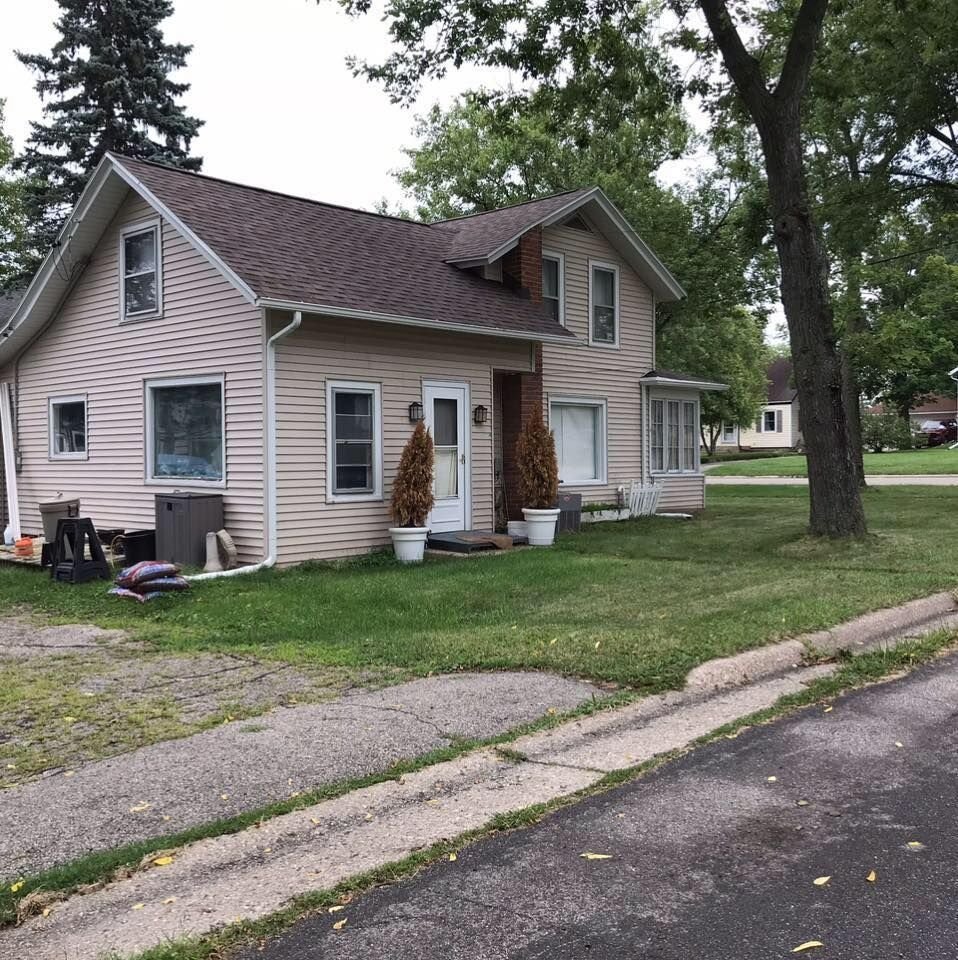
Selling as-is means you don’t put money or time into repairs before the sale; the buyer takes the property in its current condition, and the price reflects that.
This is the model cash home buyers, including companies like ours, typically operate under: no repairs, no staging, no waiting on contractor schedules, and no financing contingencies that can fall through over inspection issues.
It’s worth noting that disclosure requirements for known defects still generally apply when selling as-is; these laws vary by state, so it’s worth verifying your local requirements or speaking with a real estate attorney before you list, even for an as-is sale.
Weighing Your Options
There’s no single right answer here. For some homeowners, a few targeted, affordable repairs make sense and pay for themselves.
For others, especially those short on time, cash, or patience for a drawn-out repair-and-list process, skipping repairs and selling as-is is the more practical route.
If you’re trying to decide which path makes sense for your situation, a no-obligation cash offer can be one data point in your decision.
At We Buy Houses Fast USA, we buy homes as-is, so you can compare what a repair-and-list approach might net you against a straightforward cash sale with no repair costs, no showings, and a closing timeline you control. There’s no pressure and no cost to find out what your house could be worth as-is.
