
If you’re thinking about selling your home, one of the first questions to answer is: Is it a buyer’s or seller’s market right now?
The answer shapes almost everything else about your sale: how you price your home, how long it might sit before an offer comes in, whether you’ll field competing bids or wait weeks for a single showing, and how much room you have to negotiate.
Market conditions shift over time and can vary widely by city, county, and even neighborhood, so it helps to understand the basics before you decide how, or when, to sell.
What “Buyers Market” and “Seller’s Market” Actually Mean
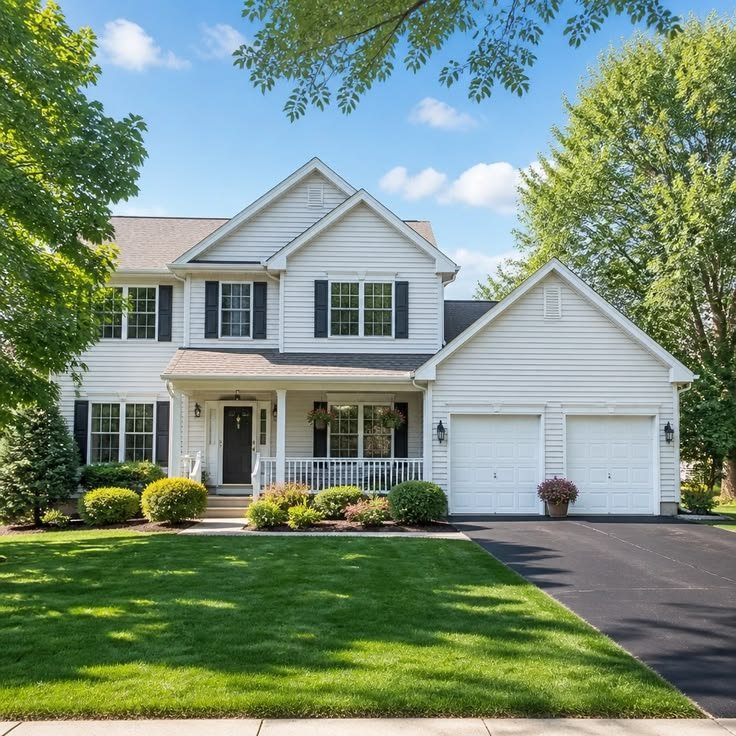
At its core, the buyer’s market vs. seller’s market question comes down to supply and demand. A seller’s market happens when more buyers are actively looking than homes available to buy.
Listings tend to move quickly, homes often receive multiple offers, and prices trend upward. A buyer’s market is the reverse: more homes are on the market than ready buyers, so listings sit longer, sellers have to compete harder for attention, and buyers gain more leverage to negotiate price or terms.
Real estate professionals often use a rough measure called “months of supply,” essentially how long it would take to sell every home currently listed at the current sales pace.
As a general rule of thumb, a lower number of months (often cited as somewhere around four to five) tends to favor sellers, while a higher number (commonly six or more) tends to favor buyers.
These exact thresholds are just a common heuristic, not a hard rule, and they can vary by local market and by whoever is reporting the data. Treat them as a starting point for a conversation, not a precise formula.
How to Tell: Is It a Buyers or Sellers Market in Your Area?
National headlines about the housing market don’t always reflect what’s happening on your street. Market conditions can differ from one metro area to the next, and sometimes even from one zip code to another within the same city. To get a clearer read on your local market, look at a few things:
- Local inventory levels — Are there a lot of “for sale” signs in your area, or very few?
- Average days on market — Are homes similar to yours selling in days, or sitting for months?
- List-to-sale price ratio — Are homes typically selling at, above, or well below asking price?
- Frequency of price reductions — Are many active listings dropping their price?
- Number of offers per listing — Are sellers reporting bidding wars, or just one or two offers?
A local real estate agent, an appraiser, or even a browse through recent sold listings and current active listings in your neighborhood can give you a reasonably good sense of where things stand.
If you’re working with an agent, ask them directly what the current conditions look like for homes like yours, at your price point, in your specific area.
Signs You Might Be in a Seller’s Market
Homes are moving fast
In a seller’s market, well-priced homes often go under contract within days of listing, sometimes with little time for buyers to deliberate.
Multiple offers are common
Sellers may see several offers on the same property, occasionally leading to bidding above the asking price.
Prices are trending up
When demand consistently outpaces supply, home values in that area often rise over time, though the pace varies widely by location.
Signs You Might Be in a Buyer’s Market
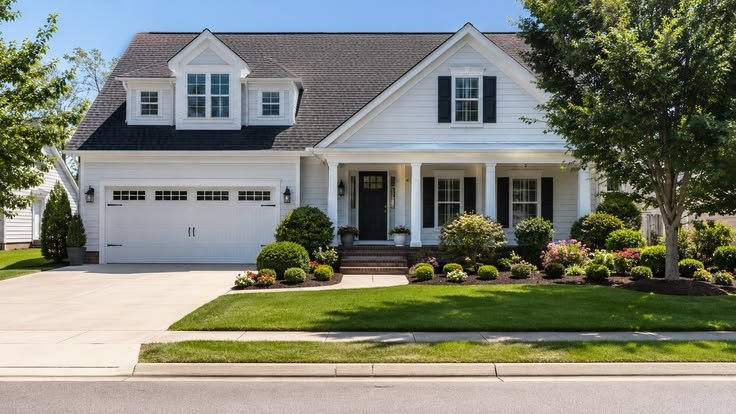
Listings linger
Homes may stay active for weeks or months without an accepted offer, even when reasonably priced.
Price cuts are more frequent
Sellers often adjust their asking price one or more times to attract interest.
Buyers have negotiating leverage
Requests for repairs, closing cost credits, or price concessions are more likely to be accepted when buyers have more homes to choose from.
Why the Market Type Isn’t the Whole Story
Knowing whether you’re technically in a seller’s market or a buyer’s market is useful context, but it doesn’t guarantee an outcome for your specific home.
A property that needs significant repairs, is awkwardly priced, or has other drawbacks can still sit unsold in a seller’s market. Meanwhile, a well-priced, move-in-ready home in a desirable location can still attract interest even in a slower buyer’s market.
Condition, price, location, and how you present the home usually matter more to your individual result than the broader label applied to the market.
What This Means If You’re on a Timeline
Traditional home sales, whether in a hot seller’s market or a slower buyer’s market, typically involve some unpredictability: buyer financing can fall through, inspections can uncover issues that reopen negotiations, and closing timelines can stretch out.
In a buyer’s market, sellers often face the added pressure of extended time on market, repeated showings, and the ongoing costs of holding a property mortgage payments, property taxes, insurance, and upkeep while they wait for the right offer.
If you need to sell within a specific window, whether because of a job relocation, inherited property, financial pressure, or simply wanting to avoid the uncertainty of a traditional listing, it’s worth knowing that market conditions don’t have to dictate your options.
Selling directly for cash is one way to sidestep much of that uncertainty, regardless of whether local data suggests a buyer’s or seller’s market.
Note: Rules and requirements around real estate transactions, including disclosure obligations, transfer taxes, and closing procedures, vary by state. This article is general information, not legal or financial advice. Check your state and local requirements or consult a qualified professional for guidance specific to your situation.
Sell on Your Terms, Whatever the Market Looks Like
Whether the data points to a buyer’s market or a seller’s market in your area, you don’t have to wait on it to move forward with your sale.
At We Buy Houses Fast USA, we buy homes directly, as-is, for cash no repairs, no staging, no open houses, and no financing contingencies to worry about.
If you’d rather skip the uncertainty of listing and get a straightforward, no-obligation cash offer, reach out and tell us a bit about your property. We’ll walk you through the process and let you decide what makes the most sense for your situation.