
Selling a home is one of the biggest financial transactions most people will ever make, and the real estate agent you choose can shape how smoothly it goes, how much you net, and how much stress you carry along the way.
Yet many homeowners hire the first agent they meet, or the one a friend recommended, without asking much beyond the commission rate.
Knowing the right questions to ask real estate agent when selling your home can help you avoid a mismatch, protect your bottom line, and set realistic expectations from day one.
Whether you talk to one agent or several, treating the conversation like a job interview, because it is one, puts you in a stronger position. Below is a practical rundown of what to ask, why it matters, and what a solid answer typically sounds like.
Questions to Ask Real Estate Agent When Selling About Their Experience

Experience isn’t just a number of years; it’s about relevant, recent activity in your market. A newer agent can still do a great job, but you want to know what you’re working with.
- How many homes have you sold in the last 12 months, and how many in my specific neighborhood or price range?
- What’s your average list-to-sale-price ratio, and how does that compare to the local average?
- How many days do your listings typically sit on the market before going under contract?
- Do you work with sellers full-time, or is this a side business?
An agent who hesitates to share numbers, or gives vague answers, is a yellow flag. A confident agent usually has this data at their fingertips or is willing to pull it up on the spot.
Ask for References, Not Just Reviews
Online reviews are easy to curate. Ask for two or three recent sellers you can actually call, ideally people who sold a home similar to yours. A quick five-minute conversation with a past client often reveals more than a dozen five-star reviews.
How to Interview a Real Estate Agent About Local Market Knowledge
Part of learning how to interview a real estate agent is testing whether they actually know your specific market, not just real estate in general. Ask them to walk you through recent comparable sales on your street or in your subdivision, and how they’d price your home relative to those comps.
- What’s happening with inventory and buyer demand in my area right now?
- What price would you suggest listing at, and how did you arrive at that number?
- Are there specific features of my home, or issues with it, that could affect how it shows or sells?
Be wary of an agent who suggests an unusually high list price with little justification. That can be a tactic to win your listing, followed by pressure to cut the price after weeks of little interest.
What to Expect From a Real Estate Agent During the Listing Process
Understanding what to expect from a real estate agent day to day helps you avoid surprises later. Ask them to describe, step by step, what happens between signing a listing agreement and closing.
- Will you handle staging advice, professional photography, and a listing description, or is that on me?
- How will you schedule showings, and will you or a colleague be present?
- Who handles negotiations once an offer comes in, and how will you keep me in the loop?
- What’s your plan if the home doesn’t get an offer within the first few weeks?
A clear, specific answer to each of these suggests an agent with a real process. A shrug or generic “I’ll take care of everything” is worth pushing back on.
Questions About Marketing and Pricing Strategy
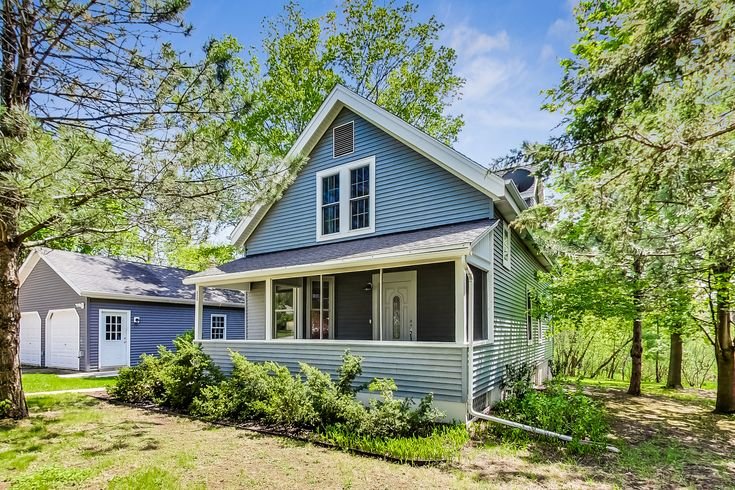
Marketing is where agents differentiate themselves, or fail to. Find out exactly where and how you’ll promote your home beyond simply putting it on the local multiple listing service.
- Will you use professional photos, video, or a 3D walkthrough?
- Where will you syndicate or advertise the listing, and will you run any paid promotion?
- How do you decide whether to price aggressively, at market value, or with room to negotiate?
- What’s your strategy if the home needs repairs I can’t afford before listing?
That last question matters more than it seems. Many sellers discover mid-process that a roof, foundation issue, or outdated system needs attention before a traditional buyer’s lender will approve financing, which can delay or derail a sale.
Questions About Fees, Commission, and Contract Terms
Commission structures and contract terms vary by agent and brokerage, and can also be affected by state and local rules that have shifted in recent years. Rather than assuming a standard rate, ask directly.
- What is your commission, and can any part of it be negotiated?
- Are there other fees, such as administrative or transaction fees, in addition to commission?
- How long is the listing agreement, and what does it take to end it early if things aren’t working out?
- Who typically covers buyer-agent compensation in a deal like mine, under current local practice?
Because commission practices and disclosure requirements can differ by state and change over time, ask your agent to explain exactly how compensation works in your area and get the details in writing before you sign anything. When in doubt, a local real estate attorney can review the agreement for a modest fee.
Questions About Communication and Availability
A great strategy is only useful if it’s actually communicated to you. Set expectations early so you’re not left guessing during a stressful process.
- How often will you update me, and through what channel, calls, texts, or email?
- Will I be working with you directly, or mostly with an assistant or team member?
- What’s a reasonable response time if I have a question or an offer comes in?
Mismatched communication styles are one of the most common sources of seller frustration, even when everything else about the sale goes fine.
When a Traditional Listing Might Not Be the Right Fit
For many homeowners, hiring an experienced agent and listing on the open market is the path to the highest possible price, and asking the questions above should help you find the right one. But a traditional listing isn’t always the best fit for every situation.
If your home needs significant repairs, you’re facing a tight timeline because of a job relocation, inherited property, or financial pressure, or you simply want to avoid months of showings and negotiations, it may be worth comparing a traditional sale with a direct cash offer before you commit to either path.
If you’d rather skip repairs, showings, and the uncertainty of buyer financing altogether, we buy houses in as-is condition for cash and can often close in as little as a week or two, on your timeline, not a buyer’s. There’s no obligation to accept, and getting a no-cost offer takes only a few minutes.
Reach out to webuyhousesfastusa.com to see what a fast, straightforward cash offer for your home could look like, and then decide which route makes the most sense for your situation.