
If you’re getting ready to sell, one of the first questions is whether you’ll owe capital gains tax on the sale. It’s a fair and important question because the answer affects how much money actually lands in your pocket after closing.
The good news is that most people who sell a home they’ve lived in for a while owe little to no capital gains tax. But “most people” isn’t “everyone,” and the details matter. Here’s what to know before you sign anything.
How Capital Gains Tax on Selling a House Works
Capital gains tax is a federal (and sometimes state) tax on the profit you make when you sell an asset for more than you paid for it.
For a home, that profit is generally calculated as your sale price minus your original purchase price, minus certain allowable costs like major improvements and selling expenses. If the numbers show a gain, you may have to pay tax on it.
If you sold for less than your basis, or roughly broke even, you typically don’t have a capital gains tax question to worry about.
It’s worth saying clearly: this isn’t legal or tax advice, and every situation is a little different. Tax rules change, and how they apply to you depends on your specific numbers, your filing status, and where you live.
A CPA or tax professional who can look at your actual figures is always the right call before you make final decisions.
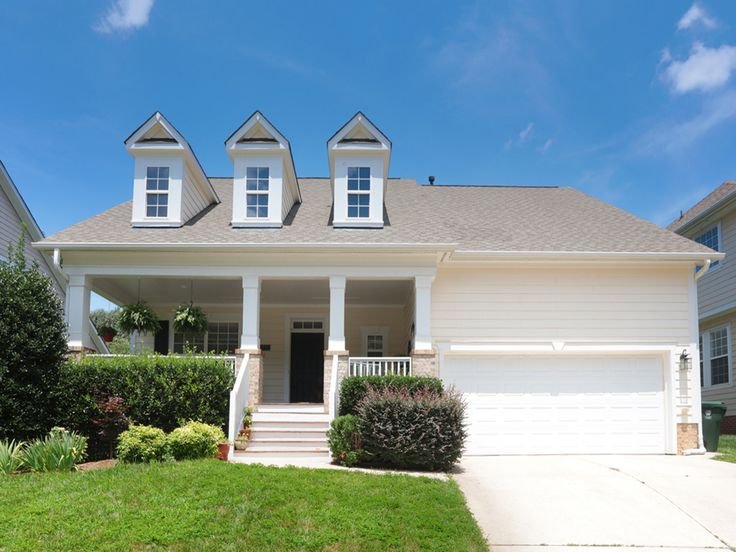
The Home Sale Exclusion: Do You Qualify to Avoid Capital Gains Tax?
Many homeowners never pay capital gains tax on a home sale because of a federal tax break often called the “home sale exclusion” or “Section 121 exclusion.”
In broad terms, it lets a single filer exclude a substantial amount of profit from taxation, and a married couple filing jointly exclude roughly double that amount, when they sell their primary residence.
The Ownership and Use Tests
To qualify, you generally need to have owned the home and used it as your primary residence for at least two of the five years before the sale. Those two years don’t have to be continuous, and they don’t have to be the two years immediately before the sale.
This is why, for many everyday homeowners selling a house they’ve lived in for several years, the profit falls under the exclusion, and they owe little or no capital gains tax.
Exceptions If You Don’t Meet the Full Two Years
If you haven’t hit the two-year mark, you may still qualify for a partial exclusion in certain circumstances, such as a job relocation, a health issue, or other unforeseen life events.
These situations are evaluated on a case-by-case basis, so if you’re selling sooner than planned because of a job change, illness, divorce, or family emergency, it’s worth asking a tax professional whether a partial exclusion could apply to you.
Short-Term vs. Long-Term Capital Gains on a Home Sale
If the exclusion doesn’t cover your entire gain, whether because the profit is large, you don’t qualify, or the home wasn’t your primary residence, the next question is how long you owned the property.
Homes owned for more than a year before selling are typically taxed at long-term capital gains rates, which are generally more favorable than short-term rates. Homes owned for a year or less are usually taxed at short-term rates, often the same as ordinary income.
This distinction can make a real difference in what you owe, so timing a sale carefully, when you can, can matter.
What Counts Toward Your Cost Basis (and Why It Matters)
Your “cost basis” is essentially what you’re allowed to subtract from your sale price when calculating profit, and getting this right can meaningfully lower your tax exposure.
Basis typically starts with your original purchase price and can increase over time with certain capital improvements, like a new roof, an addition, or major system upgrades, as opposed to routine repairs and maintenance.
Selling costs, such as agent commissions and certain closing fees, can also reduce your gain. Keeping records of what you paid for the home and what you’ve invested in it over time is genuinely useful at tax time, so keep receipts or records from past renovations.
State Capital Gains Taxes Can Add Another Layer
Federal rules are only part of the picture. Many states also tax capital gains, sometimes as part of regular state income tax and sometimes under separate rules, while a handful don’t tax capital gains at all.
Because this varies so much by state and can change year to year, don’t assume it based on what you’ve heard from a friend or neighbor in a different state.
Check with a local tax professional or your state’s department of revenue to understand how a home sale would be treated where you live.
Special Situations: Inherited Homes, Rental Property, and Divorce

A few common scenarios change the math in ways worth flagging:
#1. Inherited homes often receive a “stepped-up basis,” meaning the home’s value is generally reset to its worth at the time of inheritance rather than what the original owner paid. This can significantly reduce or eliminate taxable gain if you sell relatively soon after inheriting.
#2. Rental or investment properties typically don’t qualify for the primary residence exclusion and may also trigger depreciation recapture, an additional tax consideration when you sell a property you’ve rented out.
#3. Divorce and ownership changes can affect who qualifies for the exclusion and how, especially if only one spouse lived in the home for the required period.
Each of these situations has enough nuance that a quick conversation with a tax professional before you list the property can save real money and stress later.
What If You Need to Sell Quickly and Aren’t Sure About the Tax Bill?
Sometimes a sale isn’t happening on your ideal timeline. Maybe you inherited a property you don’t want to hold onto, you’re relocating for a job, or you simply need to move on from a house that’s become a burden.
In those moments, it’s easy to feel like the tax question is one more thing standing between you and a decision you need to make.
It doesn’t have to be. Understanding roughly where you stand, whether you likely qualify for the exclusion, what your basis looks like, and how your state treats gains can help you sell with confidence instead of guesswork, and a tax professional can usually give you clarity in a single conversation.
If you’re weighing your options and want to understand what a fast, as-is cash sale could look like for your specific house, we’re happy to have that conversation with you.
At webuyhousesfastusa.com, we buy houses directly from homeowners nationwide, in any condition, with no repairs, no showings, and no waiting for financing to fall into place.
Getting a no-obligation cash offer costs you nothing and gives you another clear data point as you decide what makes sense for your situation and bottom line.
