
If you’re planning to sell your home, property tax deadlines are easy to miss amid packing boxes and calling agents, but missing one can cost you money or complicate your closing.
Understanding property tax deadlines when you sell a house helps you avoid late penalties, surprise liens, and last-minute scrambles at the closing table.
Whether you’re selling on a traditional timeline or need to move fast, knowing when your local tax obligations are due and how they get settled when ownership changes hands puts you back in control.
Property taxes are collected locally, so due dates, grace periods, and penalty structures vary significantly by location. There is no single national deadline.
This guide outlines the general patterns homeowners should know, but you’ll want to confirm the specifics with your county tax assessor or a local professional before you sell.
Why Property Tax Deadlines Matter When You’re Selling
Unpaid property taxes don’t just disappear when a house changes hands. In most places, delinquent property taxes attach to the property itself, not just the owner, meaning a title company or closing attorney will typically require any outstanding balance to be paid before (or at) closing.
If you’re unaware of an upcoming deadline, or if taxes have been unpaid for a while, you may not learn about it until a title search flags a lien.
That can delay your sale, reduce your net proceeds, or, in more serious cases, put the property at risk of a tax sale before you ever get to list it.
Staying ahead of property tax deadlines is especially important if you’re selling because of financial hardship, an inherited property, or a home you haven’t lived in recently, situations where you’re more likely to have missed or overlooked tax bills.
Common Types of Property Tax Deadlines
While exact dates differ by state and county, most jurisdictions follow a similar general structure. Here’s what typically shows up on a homeowner’s calendar.
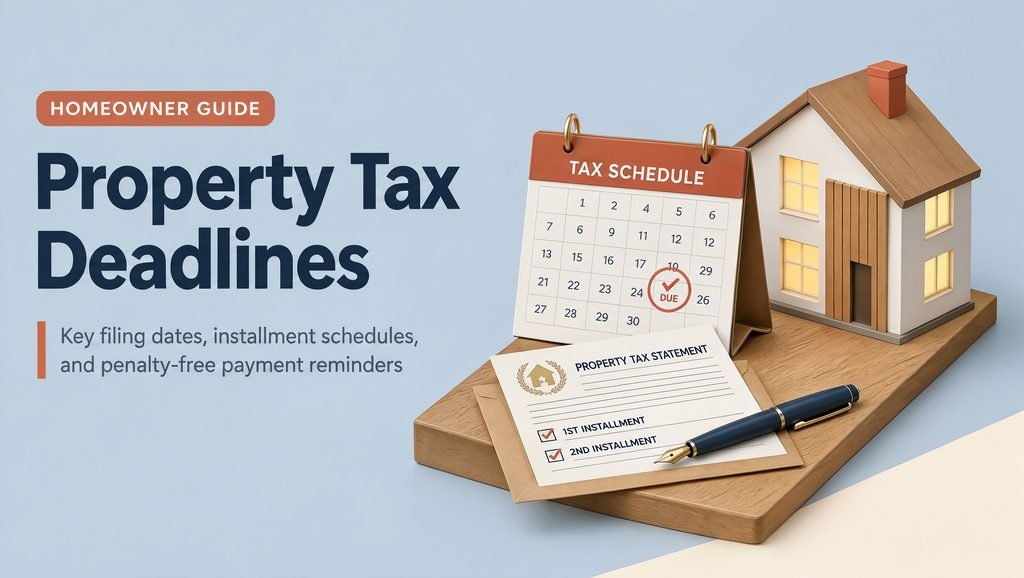
Annual or Semi-Annual Billing Due Dates
Most counties bill property taxes once or twice a year, often with due dates that fall in the fall and/or spring. Some areas allow quarterly installment payments.
These routine deadlines apply whether or not you’re selling, and they typically include a grace period of a few weeks before any penalty applies.
Delinquency and Penalty Deadlines
If you don’t pay by the due date (or the end of the grace period), the amount owed usually becomes “delinquent,” triggering interest charges and sometimes a flat penalty fee.
Interest often continues to accrue monthly or annually until you pay the balance, which can add up quickly the longer taxes go unpaid.
Tax Sale or Foreclosure Deadlines
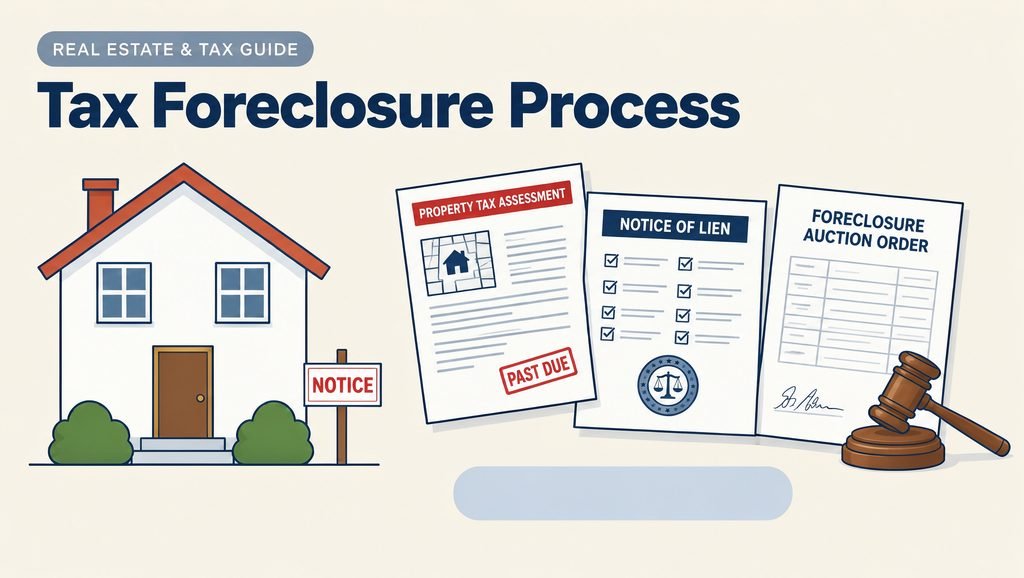
This deadline carries the highest stakes. In many states, if property taxes remain unpaid for an extended period commonly a year or more, though this varies widely; the taxing authority can place a tax lien on the property or eventually initiate a tax sale or tax foreclosure process.
Timelines and procedures vary dramatically by state, so if you know you’re behind on taxes, it’s worth finding out exactly where your property stands sooner rather than later.
How Property Taxes Are Settled When You Sell
At closing, property taxes are almost always prorated between the buyer and seller based on the closing date and your local tax year.
If you’ve already paid your taxes for the year, you may receive a closing credit for the portion the buyer will benefit from after taking ownership.
If taxes are still owed, the lender typically deducts that amount from your proceeds so the bill is paid current before the deed transfers.
This proration process is standard and handled by the title company, closing attorney, or escrow agent; you generally don’t need to calculate it yourself.
But it’s still worth requesting a payoff statement or current tax bill early in the selling process to avoid surprises about how much will come out of your proceeds.
What If You’re Behind on Property Taxes and Need to Sell?
Falling behind on property taxes is more common than many homeowners assume, and it doesn’t automatically mean you can’t sell.
In most cases, you can pay back taxes, interest, and any recorded liens from the sale proceeds at closing, as long as there’s enough equity in the home to cover them.
The bigger risk is time: if a property is approaching a tax sale or foreclosure deadline, you may not have enough time to complete a traditional sale, which typically takes weeks to months from listing to closing.
If you’re in this situation, the first step is to confirm your exact deadline with your local tax authority. From there, you can weigh whether a traditional listing timeline works or whether you need a faster path to closing.
Steps to Take Before You List or Sell
#1. Request a current tax statement from your county assessor or treasurer’s office so you know exactly what you owe and when it’s due.
#2. Check for liens tied to unpaid taxes; a title search will also reveal them, but it’s worth knowing in advance.
#3. Ask about payment plans, which many counties offer installment agreements for homeowners who are behind, which can buy time.
#4. Talk to a local professional, such as a real estate attorney, title company, or tax advisor, about how your state’s specific deadlines and foreclosure timelines apply to your situation.
#5. Factor taxes into your timeline when deciding how quickly you need to sell, especially if a deadline is approaching.

Selling When Time Is Short
Property tax rules are set at the state and local level, so the details that matter most, grace periods, penalty rates, and how long it takes for a tax lien to become a bigger problem, depend entirely on where the property is located.
When in doubt, a quick call to your county tax office or a local real estate attorney can clarify exactly where you stand and how much time you realistically have.
If you’re facing an approaching property tax deadline and a traditional sale simply won’t move fast enough, many homeowners find that selling directly for cash offers a more predictable path: no waiting on buyer financing, no repairs, and a closing timeline that can be set to match your situation rather than the market’s.
At We Buy Houses Fast USA, we buy homes as-is and can often work with homeowners dealing with back taxes or liens to help sort out what’s owed as part of the sale.
If you’d like to understand your options, we’re happy to provide a no-obligation cash offer so you can decide what makes sense for your timeline and your finances.