
If homes in your neighborhood are getting multiple offers within days of listing, you might assume every seller is holding out for the highest bidder. But even in a Cash-Offer Hot Sellers Market, many homeowners still choose a cash offer over a traditional listing.
It seems counterintuitive to leave potential money on the table when buyers are competing for houses. The answer usually has less to do with price and more to do with timing, certainty, and what’s happening in the seller’s life.
Understanding why sellers still choose cash offers in a hot seller’s market can help you decide which path actually fits your situation, not just which one sounds best on paper.
What a “Hot Seller’s Market” Really Means for You
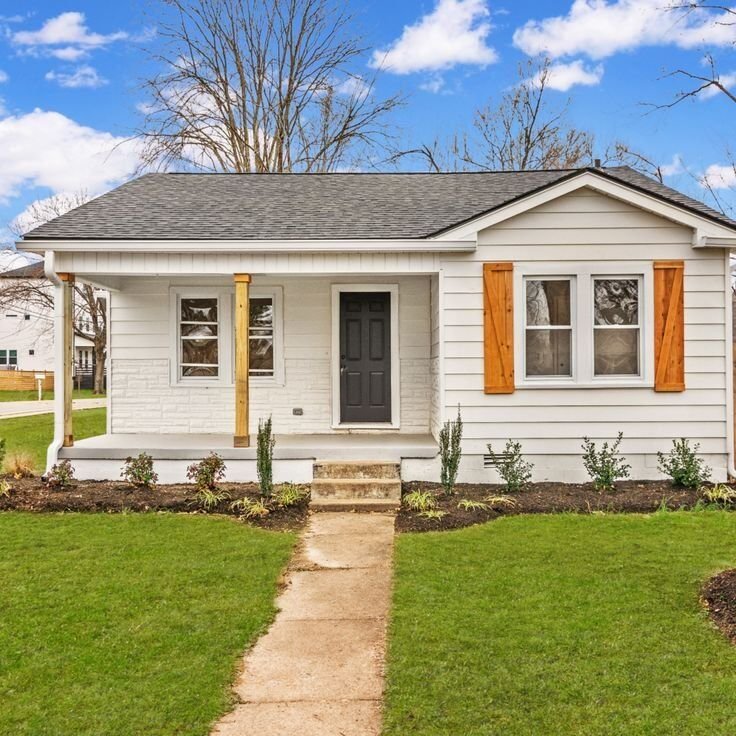
A hot seller’s market generally means there are more buyers than available homes, so properties tend to sell faster and often closer to (or above) asking price. That’s genuinely good news if your only goal is maximizing sale price and you have the time, patience, and financial cushion to ride out the process.
But “hot market” doesn’t erase the steps involved in a traditional sale. You still typically need to prepare the home, coordinate showings, negotiate with buyers, and wait through the buyer’s financing, inspection, and appraisal process.
Even in strong markets, deals can fall through if a buyer’s loan doesn’t come through, an inspection reveals something unexpected, or the appraisal comes in low.
A hot market can shorten how long your home sits before an offer comes in it doesn’t necessarily shorten or simplify everything that happens after that offer is accepted.
Why Sellers Still Choose Cash Offers in a Hot Seller’s Market
For many homeowners, the decision isn’t about squeezing out every last dollar. It’s about weighing a potentially higher sale price against the time, effort, and risk it takes to get there.
A cash offer typically cuts out much of that uncertainty: no lender approval to wait on, often no appraisal contingency, and usually a much shorter path from offer to closing.
When your circumstances put a premium on speed or predictability, a cash offer in a hot seller’s market situation can still make sense even if it’s not the absolute top dollar a competitive bidding process might produce.
It also helps to remember that a “hot” market citywide doesn’t guarantee your specific property will attract a bidding war.
Homes that need significant repairs, have unusual layouts, sit on busy streets, or come with title complications can move much more slowly than the market headlines suggest even when nearby homes are flying off the market.
The Hidden Costs of a Traditional Sale, Even When Homes Sell Fast
A quick sale on paper doesn’t always translate to a quick or low-cost experience for the seller. Some costs are easy to overlook until you’re in the middle of the process:
#1. Repairs and prep work: Buyers in competitive markets still often expect homes to show well, which can mean paint, cleaning, staging, or fixing issues that come up in inspection.
#2. Agent commissions and closing costs: Traditional sales typically involve real estate commissions and various closing costs that reduce your net proceeds, even at a strong sale price.
#3. Carrying costs while you wait: Between listing, accepting an offer, and closing, you may still pay a mortgage, taxes, insurance, and utilities on a home you no longer want to own.
#4. Timeline risk: Financing can fall through late in the process, sending you back to the market and resetting the clock.
None of this means a traditional sale is a bad choice for many sellers; it’s the right one. It just means “hot market” and “simple, low-cost sale” aren’t automatically the same thing.
Situations Where Speed and Certainty Matter More Than Top Dollar
Cash offers tend to appeal most to sellers dealing with circumstances where time, stress, or uncertainty carry real weight.
Job Relocation or a Tight Timeline
If you need to move for work or another commitment on a fixed schedule, waiting out a traditional sale process, even a fast one, may not be realistic.
Inherited Property
Inheriting a home often comes with decisions about repairs, cleanout, taxes, and shared ownership among family members. A straightforward cash sale can reduce moving parts during an already difficult time.
Divorce or Major Life Transitions
When you need to sell a home quickly to divide assets or move forward with a life change, predictability often matters more than maximizing every dollar.
Facing Foreclosure or Financial Strain
If you’re behind on payments, a faster closing timeline can help you get ahead of foreclosure.
Foreclosure timelines, notice requirements, and your rights vary by state, so if you’re in this situation, verify your timeline and options with a local attorney or housing counselor rather than relying on general information.
Homes That Need Significant Repairs
A property with major issues an aging roof, outdated systems, foundation concerns may not attract the multiple-offer competition a hot market implies, since many traditional buyers want a move-in-ready home.
What to Compare Before Choosing Between a Cash Offer and a Traditional Sale
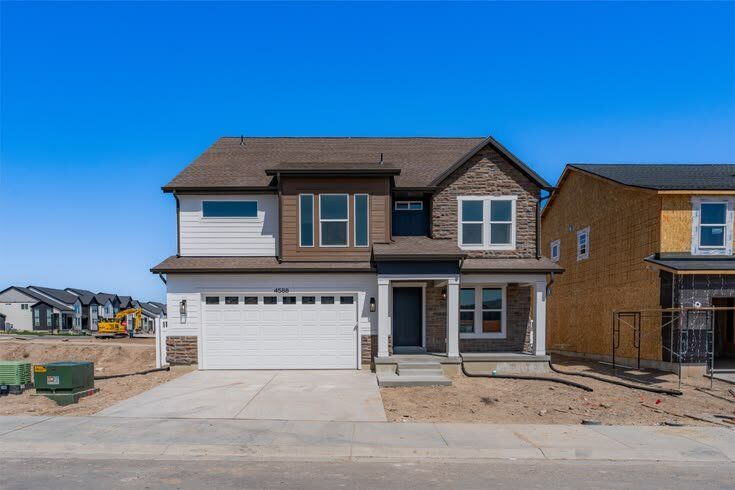
There’s no universally “right” answer it depends on your priorities. Before deciding, it can help to think through:
#1. How much time you realistically have before you need to close
#2. Whether you can afford repairs, staging, and carrying costs while you wait for a traditional buyer
#3. How much risk you’re comfortable with if a financed deal falls through
#4. What your net proceeds might look like after commissions, closing costs, and repair credits not just the headline sale price
#5. Whether your local market conditions or your specific property’s condition might make a traditional sale slower than the broader “hot market” narrative suggests
Tax consequences of selling a home, including any capital gains considerations, can also vary based on your personal situation and state, so it’s worth checking with a tax professional before finalizing your decision.
Questions to Ask Before Accepting Any Cash Offer
Not all cash offers are the same, and it’s worth doing your homework regardless of who you’re working with:
#1. Is the offer truly all-cash, with proof of funds available?
#2. Are there contingencies that could still delay or derail closing?
#3. Who covers closing costs, and are there any fees that reduce your net proceeds?
#4. What is the proposed closing date, and can it be flexible if you need more time?
#5. Is the buyer willing to put the terms in writing clearly before you sign anything?
Getting these questions answered up front helps you compare a cash offer against a traditional listing on equal footing, rather than comparing a guaranteed number against a hoped-for one.
Finding the Right Path for Your Situation
A hot seller’s market gives you more options, not fewer, and a fast, competitive sale is possible for many homes.
But if your priority is certainty, speed, or simply avoiding the work of prepping and showing a home while life already demands your attention, a cash offer remains a reasonable, often practical choice, market conditions aside.
If you’re weighing your options, webuyhousesfastusa.com can provide a no-obligation cash offer so you can see the numbers for your specific home and compare it against what a traditional sale might realistically involve. There’s no pressure to accept, just information to help you choose what fits your circumstances.
