
If you’re behind on homeowners association dues and thinking about selling, you’re probably wondering what happens to unpaid HOA dues when you sell a house and whether the debt will follow you, block the sale, or eat into your proceeds.
The short answer is that you almost always need to resolve unpaid HOA dues before or at closing, because most HOAs have the legal right to place a lien on the property.
That doesn’t mean selling is impossible. It just means you need to understand how the debt is handled so there are no surprises at closing.
This guide explains how HOA debt affects a sale, who typically pays it, what a lien means for you, and what your options are if the balance feels overwhelming.
How Unpaid HOA Dues Affect a Home Sale
When a home is part of an HOA, condo association, or similar community, the association can typically record a lien against the property for unpaid assessments, late fees, and sometimes interest or attorney costs.
That lien attaches to the property itself, not just to you personally. In practice, this means a title company or closing attorney will almost always uncover unpaid HOA dues during a title search, and in most cases the debt has to be paid off before the sale can close with clear title.
Buyers and their lenders generally want a property free of liens. If a sale transaction doesn’t address unpaid HOA dues, the deal can stall, fall through, or require last-minute negotiation to reach the closing table.
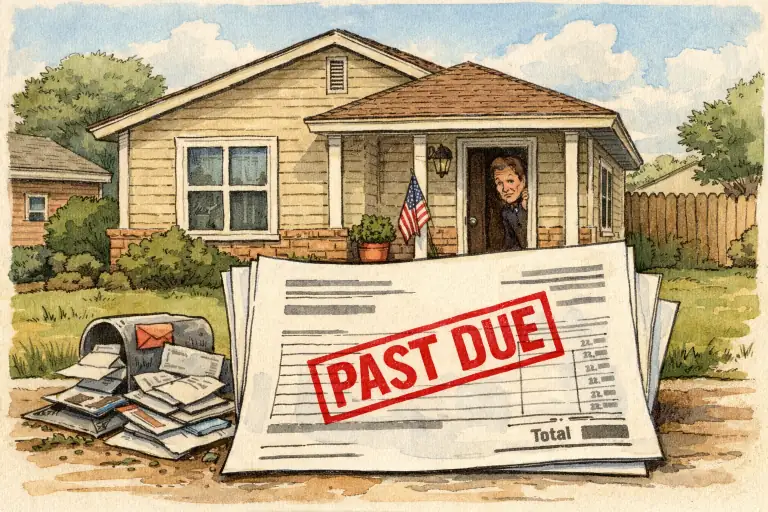
Sellers are often surprised by how much a modest-looking HOA balance grows once you add late fees, interest, and collection costs.
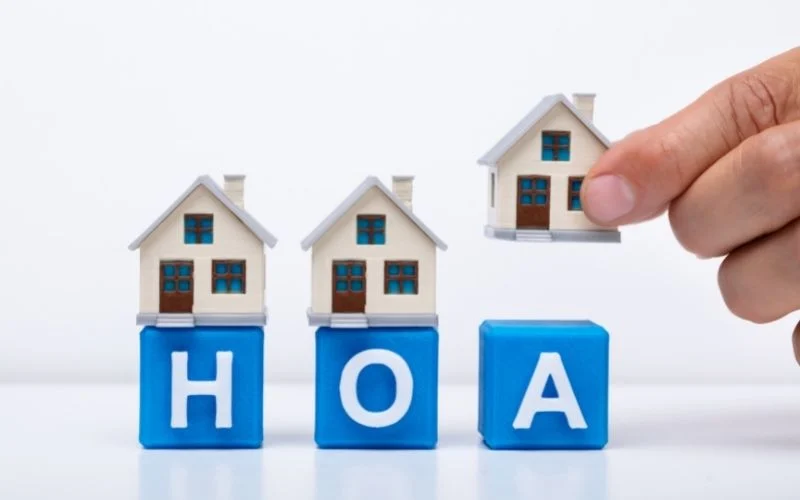
Who Is Responsible for Paying Unpaid HOA Dues?
In most transactions, the seller must clear any HOA debt owed as of the closing date, since it’s tied to their ownership period. This is usually handled in one of a few ways:
#1. Paid at closing — the outstanding balance is deducted from the seller’s proceeds, similar to a mortgage payoff.
#2. Negotiated between buyer and seller — occasionally a buyer agrees to take on some or all of the debt in exchange for a lower purchase price, though this is less common and needs to be clearly documented.
#3. Paid directly by the seller before listing — if the seller has the funds, resolving the debt early can make the sale smoother and avoid last-minute complications.
Because HOA rules, state laws, and association bylaws vary widely, how much notice an HOA must give, how fees can be assessed, and what disclosures are required can differ significantly by location.
If you’re unsure how your state or your association’s governing documents handle this, check your HOA’s covenants (often called CC&Rs) or speak with a local real estate attorney before you list.
Understanding HOA Liens
An HOA lien is a legal claim against your property for unpaid assessments. It’s recorded with the county and appears during a title search, typically one of the first steps in any home sale.
Can an HOA Lien Force a Foreclosure?
In some states, HOAs can foreclose on a property for unpaid dues, separate from any mortgage foreclosure process.
The specifics- how much must be owed, how long the association can wait, and what steps are required- vary widely by state, so check local rules or talk to a professional rather than assume how it works.
Does an HOA Lien Show Up on a Credit Report?
An HOA generally cannot report a lien directly to credit bureaus, but if the debt goes to collections or leads to a legal judgment, it can affect your credit.
Third-party collectors can also report unpaid dues, so ask your association whether the account has been sent to collections.
Steps to Take Before You List Your Home
If you know you have unpaid HOA dues, a little preparation before listing can prevent headaches later.
#1. Request a payoff statement from the HOA or its management company that shows the exact amount owed, including any fees and interest.
#2. Review your HOA’s governing documents to understand how the debt was calculated and whether you can dispute or have any of it waived.
#3. Contact your title company or closing attorney early so they can include the payoff in the closing statement without delays.
#4. Ask about a resale or estoppel certificate; many HOAs require one before a sale can proceed, and it typically states the current balance owed.
What If You Owe More Than the House Is Worth?
If HOA dues, a mortgage balance, and other liens together add up to more than the home would sell for on the open market, you’re in a tougher spot, but you still have options.
Some homeowners negotiate directly with the HOA for a reduced payoff or a payment plan tied to the closing. Others consider a short sale, where the mortgage lender agrees to accept less than what’s owed, though the process can take time and typically requires lender approval.
It’s a good idea to loop in a real estate attorney or a housing counselor if you’re navigating this kind of situation, since the right path often depends on your specific mortgage terms, state laws, and how far behind the HOA account actually is.
Selling As-Is With Unpaid HOA Dues
For homeowners who want to avoid drawn-out negotiations, repairs, or the uncertainty of a traditional listing, selling the home as-is to a cash buyer is another path worth understanding.
In a cash sale, the outstanding HOA balance is generally handled the same way as in any other closing: subtracted from the proceeds, but the process tends to move faster and with fewer conditions, since there’s no financing contingency or lender-required repair list to work around.

Getting Clarity on Your Situation
Unpaid HOA dues can feel like one more stressful item on a long list when you’re already trying to sell a home, but they don’t have to derail your plans.
Getting a clear payoff number, understanding how the debt will be handled at closing, and knowing your options if the balance is significant can go a long way toward reducing the stress.
If you’re weighing your options and want a straightforward, no-obligation look at what a cash sale could mean for your situation, including HOA debt, the team at webuyhousesfastusa.com can walk you through the numbers and put together a fair cash offer, with no repairs, showings, or open-ended timelines to manage.