
If you’re getting ready to list your house, you’ve probably already started researching how to increase home value before selling, and that’s a smart place to begin.
Even modest, well-chosen improvements can make your home show better, attract stronger offers, and move faster once it hits the market. The good news is that you don’t need a five-figure renovation budget to see real results.
Many of the changes that matter most to buyers are inexpensive, quick to complete, and focused on first impressions rather than major structural work. Here’s a practical, homeowner-friendly rundown of where your time and money are typically best spent.
Focus on the Improvements Buyers Notice First
Before you commit to any project, it helps to understand how to increase home value in a way that actually matches buyer psychology.
Most buyers form an opinion about a home within the first few minutes, often before they’ve even stepped inside. That means cleanliness, organization, and visual flow tend to matter more than expensive finishes.
A deep clean, decluttering every room, and clearing out excess furniture or personal items can make a home feel larger, brighter, and better maintained, often for little more than time and effort.
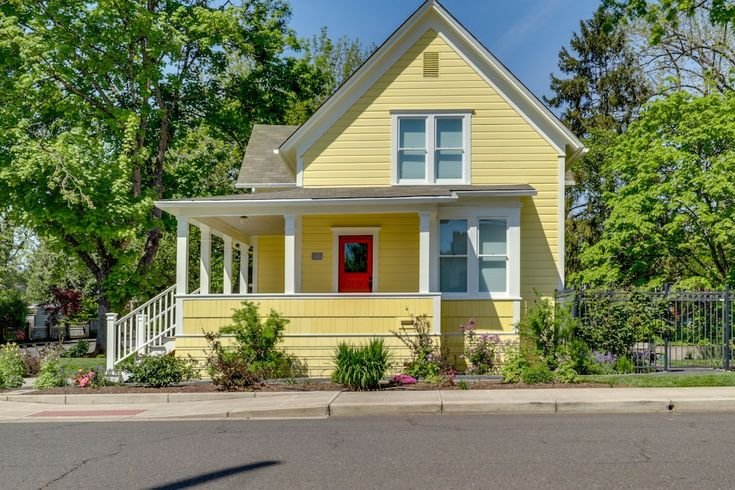
Curb Appeal: The Cheapest Way to Add Value
The exterior of your home sets expectations for everything a buyer is about to see. Fresh mulch, trimmed shrubs, a clean walkway, and a tidy lawn go a long way toward a positive first impression.
A freshly painted front door, updated house numbers, and a working porch light are small, low-cost details that read as “well cared for.”
If your siding, trim, or fence is showing wear, a pressure wash or a coat of paint can noticeably improve how the whole property presents itself, often for a fraction of what a larger renovation would cost.
Simple Exterior Wins
#1. Power-wash siding, walkways, and the driveway
#2. Repaint or clean the front door and trim
#3. Replace worn or mismatched house numbers and light fixtures
#4. Keep landscaping trimmed, edged, and free of dead plants
Fix the Small Things Before They Become Big Objections
Buyers and their inspectors tend to notice details that a homeowner has stopped seeing after years of living with them.
Leaky faucets, loose cabinet handles, cracked outlet covers, squeaky doors, and stained ceiling tiles can all raise questions about how well the rest of the home has been maintained, even when the underlying systems are fine.
Walking through your home room by room with a fresh eye, or asking a friend to do it for you, is a low-cost way to catch these issues before a buyer or inspector does.
Kitchens and Bathrooms: Update, Don’t Overhaul
Kitchens and bathrooms typically influence a buyer’s impression of value more than any other rooms in the house, but that doesn’t mean a full remodel is necessary or even advisable this close to a sale.
Refreshing cabinet hardware, re-caulking tubs and showers, updating an outdated light fixture, or applying a neutral coat of paint can modernize a space without a large investment.
Full renovations are riskier before a sale because there’s no guarantee you’ll recoup the cost, and taste is subjective; a buyer may prefer to make their own selections anyway.
Don’t Overlook Systems, Safety, and Energy Efficiency
While cosmetic updates catch the eye, buyers and their inspectors also pay close attention to the condition of the roof, HVAC system, water heater, and electrical panel.
Addressing an aging roof or a furnace nearing the end of its expected life, even with a modest repair rather than a full replacement, can prevent it from becoming a negotiating point later.
Simple energy-efficiency touches, like sealing drafts, adding attic insulation, or installing a programmable thermostat, are often inexpensive and can be genuinely appealing to cost-conscious buyers.
When Offering Repair Credits Beats Doing the Work Yourself
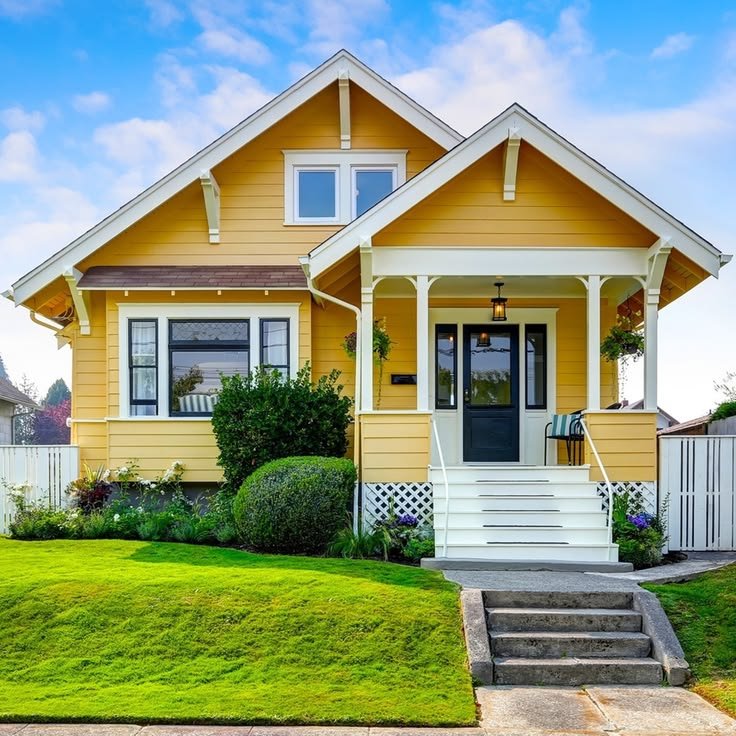
Not every issue needs to be fixed before you list. For larger or more specialized repairs a roof replacement, foundation work, or an HVAC system replacement it’s often more practical to offer repair credits at closing rather than managing a contractor yourself under time pressure.
Repair credits let the buyer choose their own contractor and timeline while giving you a cleaner, faster path to closing.
This approach can also be useful if you’re short on cash for upfront repairs but still want to price the home fairly and keep the transaction moving.
How to Increase Home Value Before Selling When Time or Money Is Tight
If you’re working with a limited budget, a tight timeline, or a home that needs more work than you have the resources to tackle, prioritize the highest-impact, lowest-cost items first: cleaning, decluttering, curb appeal, and small repairs.
These changes typically offer the best return relative to effort. Larger structural, mechanical, or cosmetic renovations should generally only be pursued if you have both the time and the budget to complete them properly; a half-finished project can sometimes hurt a sale more than an honest, well-priced as-is listing.
It’s also worth noting that closing costs, repair expectations, and disclosure requirements vary by state, so it’s a good idea to verify local rules or talk with a real estate professional before making major decisions based on assumptions from another market.
Consider a Cash Offer If You’d Rather Skip the Prep Work
Not every homeowner has the time, budget, or desire to take on repairs, staging, or months of showings before selling. If that describes your situation, selling your house as-is for cash is worth considering.
At webuyhousesfastusa.com, we buy homes in their current condition, no repairs, no cleaning, no repair credits to negotiate, and can typically close on a timeline that works for you.
If you’d like to see what a no-obligation cash offer looks like for your home, we’re happy to walk you through the process.