
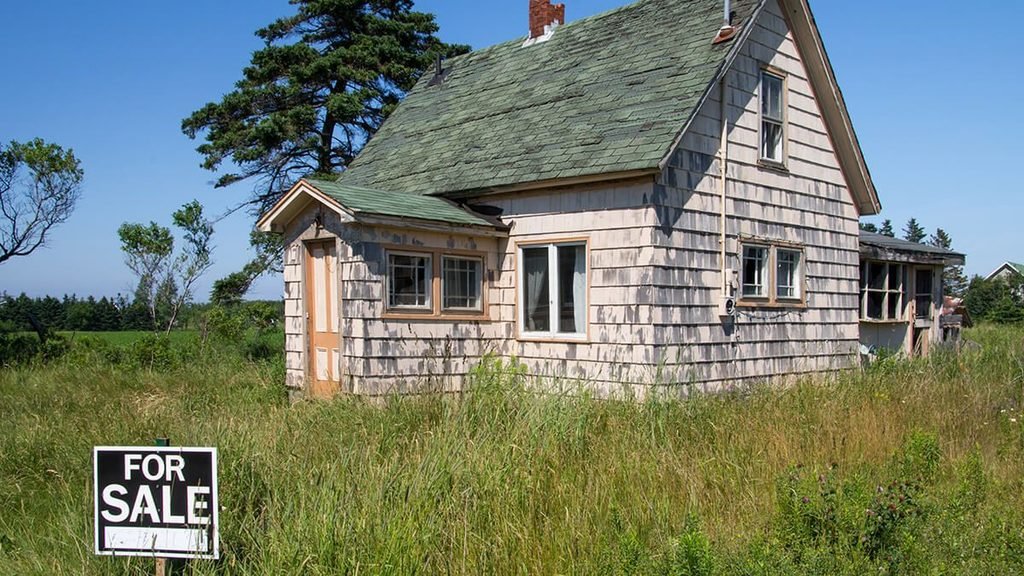
A vacant house rarely just sits there quietly. Even with no one living in it, the mortgage, insurance, property taxes, and utilities still come due every month, while the home slowly deteriorates from lack of use.
If you’ve inherited a property, relocated for a job, or moved a loved one into assisted living and are now stuck paying for a place nobody occupies, you’re not alone, and you have more options than you might think.
For many owners in this situation, the fastest way out of the financial drain is to sell a vacant house fast to a buyer who can close on your timeline, without repairs or months of waiting.
This guide walks through why vacant homes cost so much, the risks of waiting too long, and the paths available to you.
Why a Vacant House Costs More Than You’d Expect
An occupied home tends to take care of itself in small ways; someone notices a leak, keeps the lawn trimmed, and reports a break-in immediately.
A vacant property lacks that built-in maintenance. Meanwhile, the fixed costs don’t pause just because no one is living there:
#1. Mortgage payments continue whether the house generates income or not.
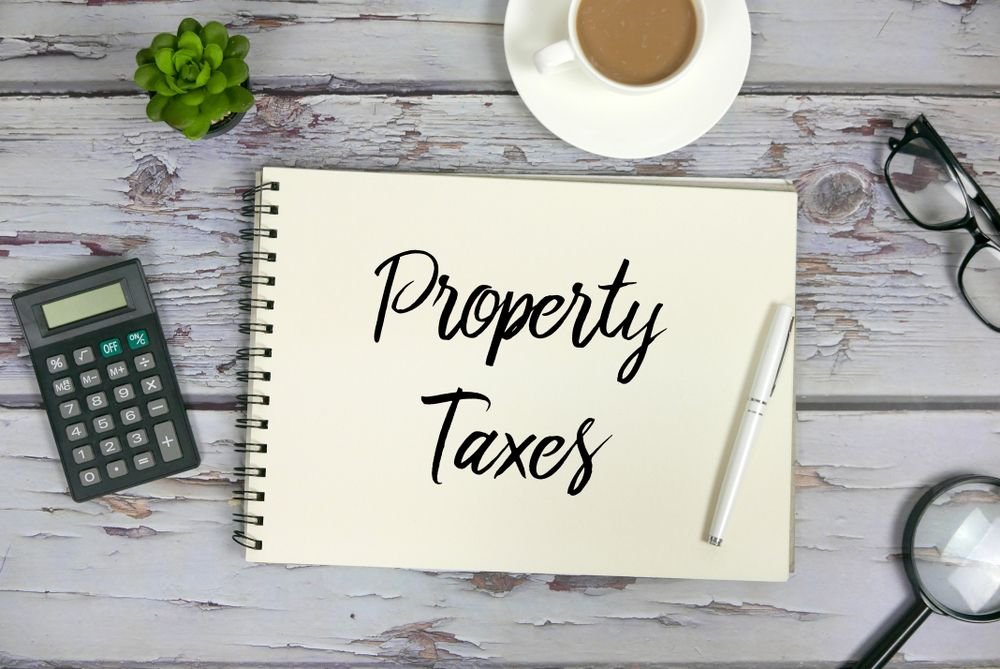
#2. Property taxes keep accruing, and unpaid taxes can eventually lead to liens or, in some states, tax sale proceedings.
#3. Utilities like electricity and water are often still needed to prevent pipes from freezing or mold from developing, even with no one home.
#4. Lawn care and basic upkeep add up, especially if you’re paying a service or traveling to handle it yourself.
#5. HOA dues, if applicable, don’t stop because the house is empty.
Individually, these costs can seem manageable, but stacked month after month, they can become a significant drain, often with no offsetting income.
The Hidden Risks of Leaving a House Empty
Beyond the recurring bills, vacant homes tend to develop problems that occupied homes usually avoid.
Deferred Maintenance Turns Into Real Damage
A small roof leak that would get noticed and fixed in an occupied home can go undetected for months in a vacant one and turn into water damage, mold, or structural issues.
The same applies to plumbing leaks, pest infestations, and HVAC problems; small issues compound when nobody is around to catch them early.
Vacant Properties Attract Unwanted Attention
Empty homes are more likely to be targeted for vandalism, break-ins, or squatting than occupied ones.
In some cases, removing unauthorized occupants can become a lengthy and stressful legal process, depending on local landlord-tenant and trespassing laws, which vary by state, so it’s worth understanding the rules where the property is located.
Weather and Time Are Not Kind to Empty Houses
Homes are, in a sense, meant to be lived in. Without regular heating and cooling, humidity control, and general activity, materials can warp, pipes can freeze and burst, and the house’s overall condition can decline faster than owners expect.
Insurance Complications You Should Know About
Many standard homeowners insurance policies limit or exclude coverage after a home has been vacant for a certain period, often 30 to 60 days, though this varies by insurer and policy.
If damage occurs after that window, such as a burst pipe, storm damage, or a break-in, your claim may be reduced or denied.
Some owners purchase a separate vacant home insurance policy to stay protected, but these policies typically cost more than standard coverage.
Call your insurance provider directly to confirm how your specific policy treats vacancy, since details differ from one carrier and one state to the next.
Your Options for Dealing With a Vacant House
Once you understand what’s driving the cost, the next question is what to actually do about it. Generally, owners of a costly vacant property have three broad paths.
Option 1: Rent It Out
Turning the house into a rental can offset carrying costs and even generate income. But this only works if you’re willing to take on landlord responsibilities, or pay a property manager to do it, and if the house is rentable.
If it needs repairs first, you’ll spend money before you see any return, which isn’t realistic for every owner, especially one already stretched thin.
Option 2: List It Traditionally on the Market
A traditional sale through a real estate agent can bring in the highest possible price, but it usually comes with real trade-offs for a vacant house: making repairs and updates to attract buyers, staging or at least cleaning the property, covering ongoing carrying costs during the listing period, and waiting through the time it takes to find a buyer, negotiate, and get through inspections, appraisals, and financing contingencies.
For a house that’s already costing you money every month, a listing process that stretches on for months can end up costing more than it earns.
Option 3: Sell the Vacant House Fast, As-Is, for Cash
For homeowners who need to stop the bleeding quickly, selling to a cash home buyer is often the most practical route. Reputable cash buyers purchase homes as-is, no repairs, no cleaning, no staging, and can typically close in weeks rather than months.
This approach skips financing contingencies (since no lender is involved) and eliminates ongoing carrying costs as soon as the sale closes.
It generally means accepting a lower price than a fully renovated, market-ready sale might bring, but for many owners, avoiding several more months of mortgage payments, taxes, insurance headaches, and maintenance risk makes up the difference; sometimes more than makes up for it once every cost is added up.
Questions to Ask Before You Decide to Sell a Vacant House Fast
Every vacant house situation is a little different, so before choosing a path, it helps to get clear-eyed answers to a few questions:
#1. How much does the house actually cost you each month, including all expenses?
#2. Is your insurance coverage still valid after so long without the home being occupied?
#3. Are property taxes current, and do you understand your state’s timeline for penalties or liens on unpaid taxes?
#4. Realistically, how much time and money would repairs or updates require before you could rent or list the house?
#5. How much longer can you afford to carry the property while you decide?
Because tax rules, disclosure requirements, and vacancy-related legal issues differ by state, check with a local real estate attorney, accountant, or your insurance agent before deciding; what applies in one state may not apply in another.

Turning a Costly Vacant House Into a Solved Problem
A vacant house doesn’t have to keep draining your finances month after month. Whether the property sat empty after an inheritance, a move, or a life change, the sooner you address the ongoing costs and risks, the less they’ll add up.
If renting or a traditional listing isn’t realistic for your situation, know that you can sell a vacant house fast without making a single repair or cleaning out a single room.
At webuyhousesfastusa.com, we buy vacant houses in as-is condition, nationwide, with no obligation to accept our offer.
If you’d like to see what a fair cash offer looks like for your property, reach out for a free, no-pressure quote and decide from there what makes the most sense for you.