
If you’ve spotted mold in your home and you’re getting ready to sell, you’re probably wondering whether that discovery just torpedoed your plans.
The honest answer is: mold rarely kills a home sale outright, but it almost always affects the price and the process.
Homeowners who need to sell a house with mold still have real options; they just need to understand how mold changes the conversation with buyers, lenders, and inspectors before they decide what to do next.
This guide explains how mold affects a sale, what you’re expected to disclose, and the paths available based on how much time, money, and energy you have.
Does Mold Really Kill a Home Sale?
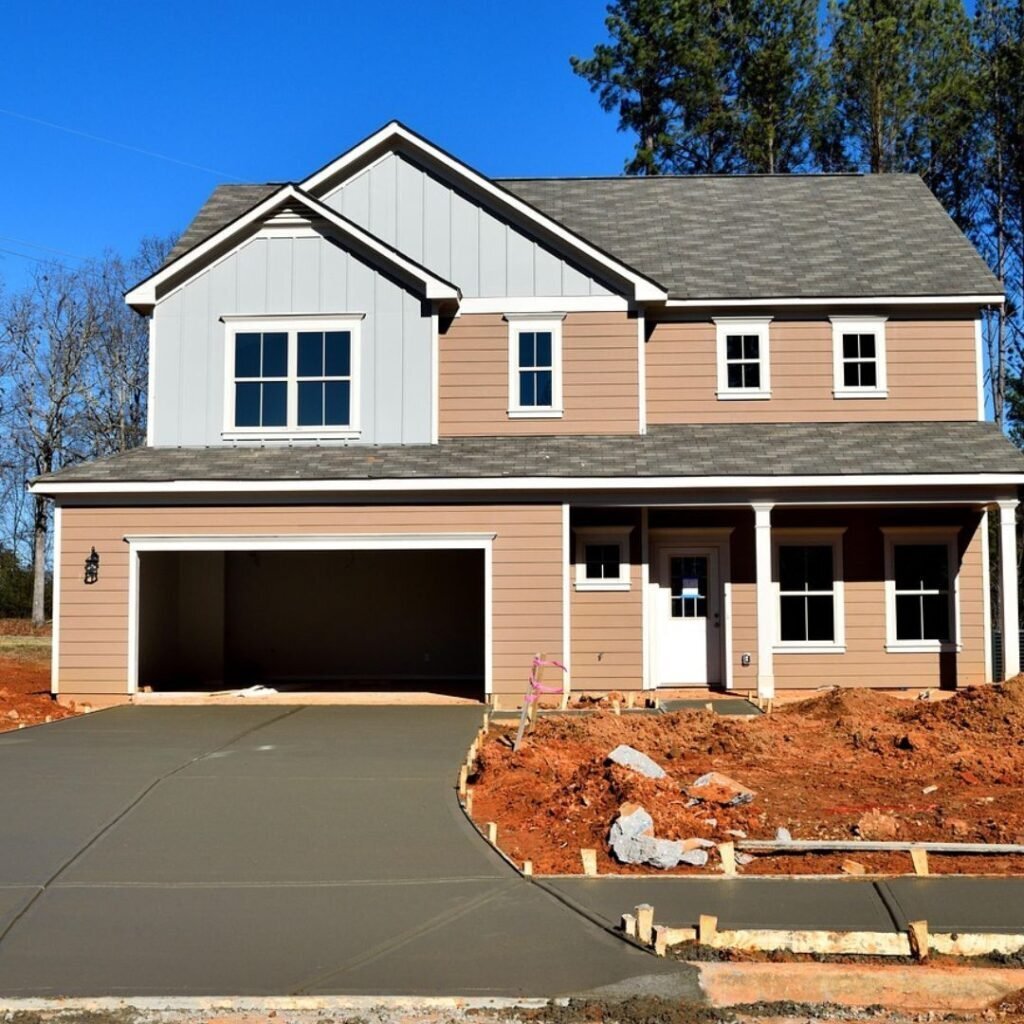
Mold by itself doesn’t automatically end a deal. It introduces uncertainty, and uncertainty is what makes buyers walk away or renegotiate.
A small patch of surface mold in a bathroom, caught early and disclosed honestly, is a very different situation from mold tied to a chronic roof leak or a damp crawl space that’s been an ongoing problem for years.
Deals usually fall apart not because of the mold itself, but because of what it signals. Buyers reasonably wonder: is this a one-time issue, or a symptom of a bigger moisture or structural problem?
If your disclosures and any inspection findings clearly answer that question, most buyers will stay at the table, even if they ask for a price adjustment.
How Buyers, Agents, and Lenders Typically React
Traditional buyers going through a mortgage lender face the most friction. Many conventional and FHA/VA loan appraisals will flag visible mold as a condition that must be addressed before the loan can close, which can stall or unwind an already-under-contract deal.
Even cash buyers on the open market often bring their own inspector, and a mold finding tends to trigger one of a few reactions:
#1. A request for a professional mold remediation before closing
#2. A price reduction to cover remediation and repairs themselves
#3. A request for a credit at closing
#4. In some cases, walking away entirely if the mold suggests a larger water intrusion problem
Real estate agents will often tell you the same thing: mold doesn’t have to be a deal breaker, but it does need to be addressed head-on rather than hidden, because a buyer who discovers it later during their own inspection or after closing is far more likely to get upset, renegotiate hard, or in rare cases pursue legal action.
What Mold Actually Does to Your Sale Price
The financial impact of mold varies a lot depending on severity, location in the home, and the underlying cause. A few general patterns tend to hold:
Cosmetic or minor mold
Surface mold on grout, a windowsill, or a small area caused by everyday humidity typically has a modest impact, often resolved with a price adjustment that roughly covers professional cleaning.
Mold tied to a leak or moisture source
When mold is connected to a roof leak, plumbing issue, or poor drainage, buyers and appraisers tend to price in both the remediation and the underlying repair, which can add up quickly.
Extensive or structural mold
Mold that has spread through wall cavities, subflooring, or HVAC systems is most likely to scare off traditional buyers altogether, since the true scope often isn’t known until walls are opened up.
In every case, the price impact tends to be less about the mold itself and more about the unknowns it creates for whoever is buying the house.
Your Options When You Sell a House With Mold
Remediate first, then list on the open market
If you have the time and the funds, professional remediation before listing can help you avoid scaring off buyers and may let you list closer to market value.
Costs can range widely depending on the extent of the problem and your local market for remediation services, and there’s no guarantee an appraisal or a buyer’s inspector won’t find something else once walls or flooring are opened up.
Disclose it and sell as-is on the open market
You can list the home with the mold disclosed and priced accordingly. This avoids upfront remediation costs but usually means a longer time on market, more negotiation, and a real risk of financing-related delays if a buyer’s lender won’t approve the loan until the mold is addressed.
Sell directly to a cash buyer
Selling to a cash home buyer, whether a company or an individual investor, lets you skip the mortgage appraisal step entirely, since no lender requires the issue to be fixed before closing.
Cash buyers who specialize in as-is purchases typically factor mold, along with other repairs, into their offer rather than asking you to fix anything first.
This route generally means a lower sale price than a fully remediated home would fetch on the open market, but it also means a faster, more predictable closing with far less back-and-forth.
What You’re Legally Required to Disclose
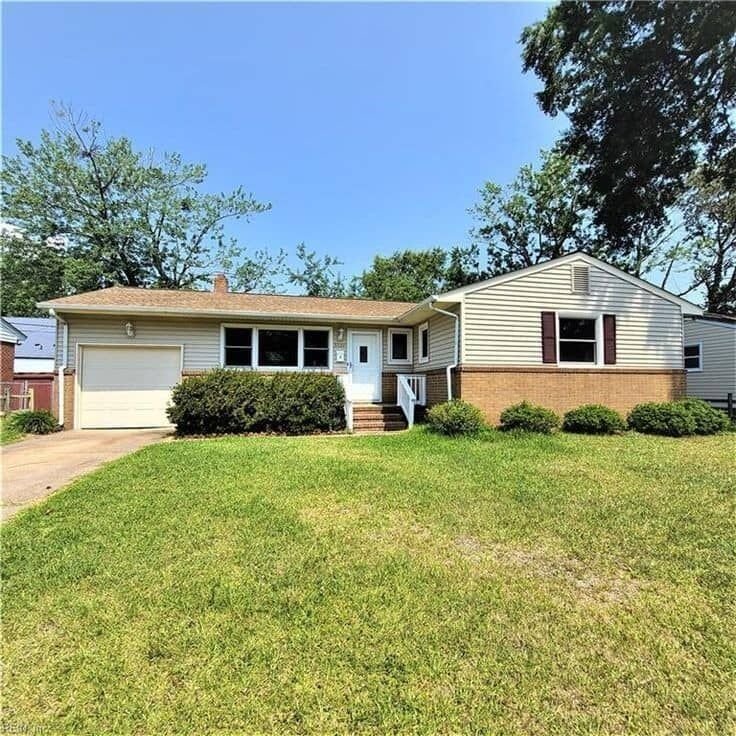
Disclosure requirements for mold and other property defects vary significantly by state; some states have specific mold disclosure statutes, while others fold it into general “known material defects” disclosure rules.
As a general rule, if you know about mold, a past leak, or water damage, it’s safer, and in most states required, to disclose it rather than hope it goes unnoticed. Failing to disclose a known issue can expose you to legal and financial risk well after closing.
Because these rules vary by state and can change over time, verify your specific disclosure obligations with a local real estate attorney or licensed agent before you list, rather than relying on general guidance like this article.
Questions Worth Asking Before You Decide
#1. How extensive is the mold, and do you know what caused it?
#2. Do you have the cash on hand to pay for remediation upfront, or would you need to finance it?
#3. How long can you afford to keep the home on the market?
#4. Are you comfortable navigating buyer negotiations and possible financing delays?
#5. Would a lower but certain cash offer relieve more stress than a potentially higher but uncertain traditional sale?
Moving Forward
Discovering mold is stressful, especially when you’re already juggling the logistics of selling a home.
It rarely means your house is unsalable; it just means you have to decide how much time, money, and uncertainty you’re willing to take on to get top dollar versus what you’d rather trade for speed and simplicity.
If remediation and a traditional listing don’t fit your timeline or budget, getting a no-obligation cash offer can be a useful data point.
At We Buy Houses Fast USA, we buy homes as-is, mold and all, so you can see what a fast, straightforward sale looks like before committing to a path forward.
