
If you’re getting ready to buy or sell a house, you’ve probably run into two very different line items on your closing paperwork: a home inspection and an appraisal.
They sound similar; both involve someone walking through the house with a clipboard, and they’re easy to mix up, which is why so many first-time sellers and buyers get tripped up on who pays for a home inspection versus who pays for the appraisal.
The short answer is that these two costs almost always fall to different people for different reasons, and understanding that split before you reach the closing table can save you an awkward surprise.
Home Inspection vs. Appraisal: What’s the Difference?
Before getting into payment, it helps to be clear on what each one actually does, since most payment confusion starts with appraisal vs. inspection confusion.
The Home Inspection
A home inspection is a detailed, room-by-room evaluation of the property’s physical condition.
A licensed inspector checks the roof, foundation, plumbing, electrical systems, HVAC, appliances, and structural components, then delivers a written report flagging anything that’s damaged, outdated, unsafe, or likely to need repair soon.
It’s primarily for the buyer’s benefit; it tells them what they’re actually getting into before they close.
The Appraisal
An appraisal is a professional opinion of the home’s market value, typically ordered when a buyer is financing the purchase with a mortgage. A licensed appraiser compares the property to similar recent sales in the area and inspects the home’s condition and features to arrive at a dollar figure.
Its main purpose is to protect the lender. The bank wants confirmation that the house is actually worth what it’s lending against before it approves the loan.

Who Pays for a Home Inspection?
In most real estate transactions across the country, the buyer pays for the home inspection. Because the inspection exists to protect the buyer’s interests, it makes sense for the buyer to arrange and pay for it.
When You’re the Buyer
As the buyer, you’ll typically hire your own inspector (rather than using one the seller suggests) and pay them directly, often at the time of the inspection or shortly after.
Home inspection costs usually run a few hundred dollars, though the exact amount depends on the home’s size, age, region, and whether you add specialty inspections such as radon, mold, sewer scope, or pest evaluations.
When You’re the Seller
Sellers typically don’t pay for the buyer’s inspection, but many choose to pay for a pre-listing inspection before putting the house on the market.
This lets a seller identify and address problems early, which can prevent surprises and renegotiations when a buyer’s inspector shows up. If a seller chooses to do it, the cost comes out of the seller’s pocket and is separate from whatever inspection the buyer later orders.
Who Pays for an Appraisal?
The buyer almost always pays for the appraisal, since it’s a requirement of the buyer’s mortgage lender rather than something either party chooses to do independently.
The lender orders the appraisal through an independent appraisal management company, but the buyer usually pays the cost, either as part of closing costs or upfront during the loan application process.
Appraisal fees generally run in the low-to-mid hundreds of dollars, though costs can vary based on property size, location, and complexity. How Do You Build Equity in a Home Faster? A Homeowner’s Guide
If the sale doesn’t involve a mortgage, for example, an all-cash purchase, an appraisal often isn’t required at all, since there’s no lender needing to verify value.
Appraisal vs Inspection: Why the Payment Rules Differ
It comes down to who each report is protecting. An inspection protects the buyer, so the buyer typically pays for it and can choose to skip it entirely if they want (though that’s generally not advisable).
An appraisal protects the lender, so it’s usually mandatory whenever a loan is involved, and the buyer pays for it as a cost of getting that financing, not because the buyer specifically requested it.
That is also why negotiating who pays for the appraisal isn’t really on the table in a financed deal. Lenders set that requirement, while inspection costs and even inspection results often come up in the back-and-forth between buyer and seller during negotiations.
What Happens When Inspection or Appraisal Results Create Problems
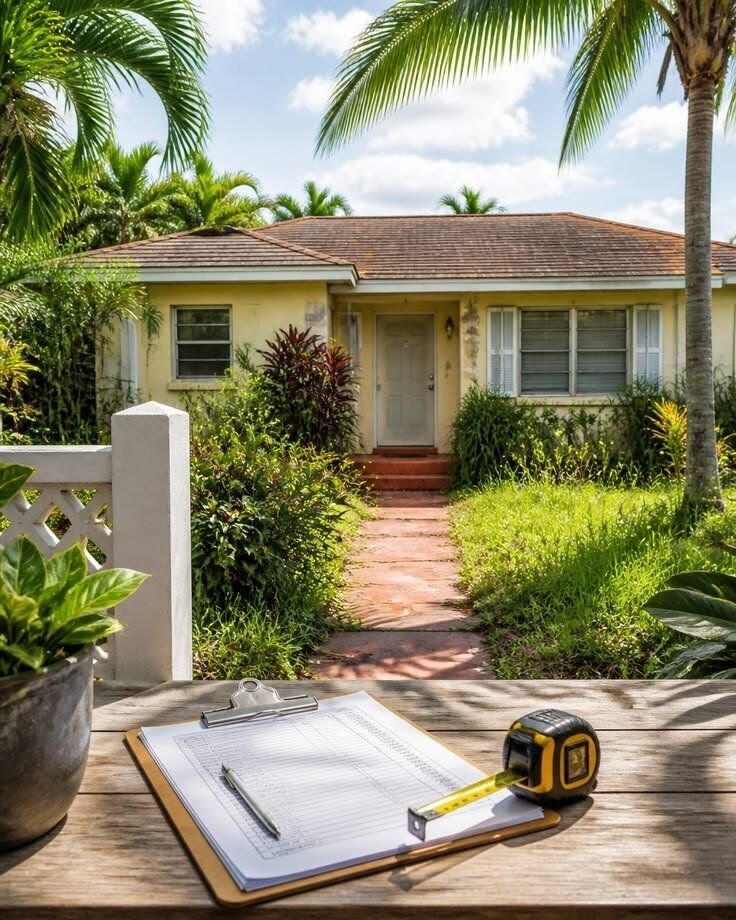
Inspection Issues
If an inspection turns up significant problems, the buyer often has room to negotiate. Depending on the contract terms, a buyer might ask the seller to make repairs, offer a credit toward closing costs, or reduce the sale price.
Some buyers walk away entirely if their contract includes an inspection contingency, though contingency terms and deadlines vary by contract and by state, so it’s worth reviewing your specific purchase agreement carefully.
Appraisal Issues
An appraisal that comes in lower than the agreed purchase price, often called an “appraisal gap,” can complicate financing, since the lender typically won’t loan more than the appraised value.
In that situation, buyers and sellers may renegotiate the price, the buyer may cover the difference in cash, or the buyer may dispute the appraisal.
None of these outcomes are guaranteed, and how they play out depends heavily on the lender, the contract, and local market conditions.
Selling As-Is? How Skipping the Traditional Process Changes Things
Everything above describes a standard, financed, on-market sale. If you sell your house directly to a cash home buyer instead, the picture looks different.
Cash buyers typically purchase homes as-is, which usually means no buyer-ordered inspection triggers repair negotiations, and because there’s no mortgage lender in the deal, there’s often no lender-required appraisal holding up the closing timeline.
Some cash buyers still do a walkthrough or their own internal evaluation to determine an offer, but it isn’t the same multi-step inspection-and-appraisal process built around financing contingencies.
For sellers dealing with a home that needs significant repairs, a tight timeline, or a desire to avoid the uncertainty of inspection negotiations and appraisal gaps, that difference can matter.
Laws, disclosure requirements, and closing procedures vary by state, so always verify local specifics or consult a real estate attorney or other professional before finalizing any sale.
Get a Cash Offer Without the Inspection and Appraisal Guesswork
If you’d rather skip the back-and-forth over who pays for what and avoid the risk of a low appraisal derailing your sale, we buy houses in any condition, nationwide.
At webuyhousesfastusa.com, we make a straightforward cash offer with no financing contingency, and you can close on a timeline that works for you. Reach out today for a no-obligation cash offer and see what a simpler sale could look like.
