
If you’re trying to figure out the best month to sell a house, listings tend to move fastest and sell for the most; you’ve probably noticed the advice online is all over the place. Some sources swear by spring. Others point to early summer.
Timing does matter, but less than most homeowners assume, and even less if your situation doesn’t let you wait for the “ideal” window in the first place.
This guide walks through what the data generally shows about seasonal trends in the housing market, why those patterns exist, and how to think about timing if selling on a specific calendar isn’t realistic for you.
Best Month to Sell House: What the Data Generally Shows About Seasonal Home Sales
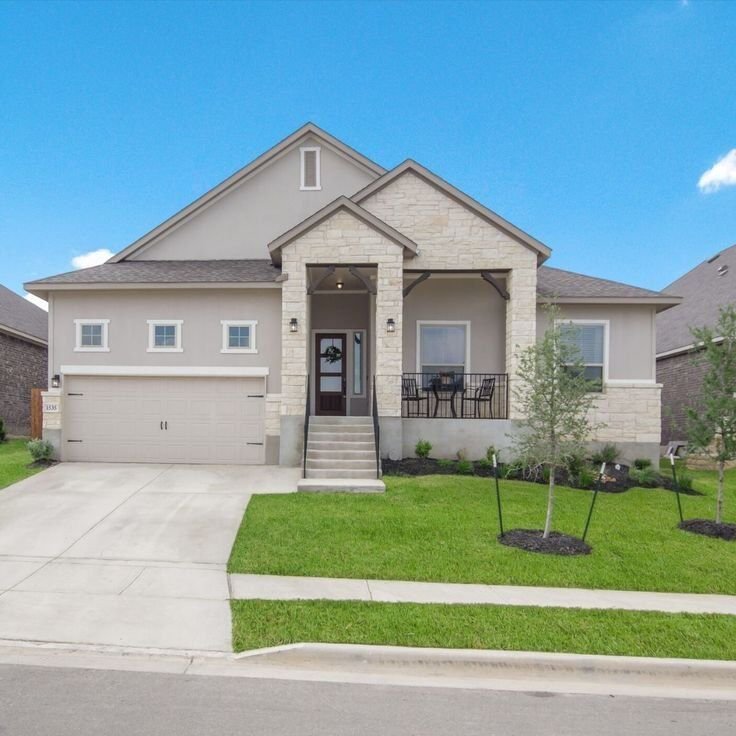
Year after year, national housing data tends to show a fairly consistent pattern: homes listed in late spring and early summer, particularly May and June, often sell faster and for prices closer to (or above) asking than homes listed in the fall or winter.
This isn’t universal in every metro area, but it holds up broadly enough across the country that most real estate analysts treat it as a reliable seasonal trend rather than a coincidence.
The reasoning is fairly intuitive once you break it down. Late spring gives buyers time to close and move before a new school year starts.
Daylight hours are longer, so there are more evening and weekend showings. Yards and curb appeal tend to look their best.
After a slower winter, buyers who held off during the colder months usually re-enter the market once the weather turns.
Why Spring Tends to Win the Best Month to Sell House Debate
Spring listings typically benefit from higher buyer traffic and lower competing inventory early in the season, creating more favorable conditions for sellers.
As more sellers list in May and June, inventory rises, and some of that early-season advantage fades, which is part of why late spring (rather than summer as a whole) tends to outperform.
The Months That Tend to Underperform
On the other end of the spectrum, homes listed in November, December, and January often take longer to sell and, on average, close at somewhat lower prices relative to list price.
Buyer traffic typically drops around the holidays, and the small pool of buyers still actively looking in winter is often motivated by something specific, such as a job relocation, a lease ending, or a life change, rather than casual browsing.
That can work in a seller’s favor in one narrow sense, since serious buyers move faster, but the overall demand reduction tends to outweigh that benefit in most markets.
Cold-weather regions, in particular, can see a sharper winter slowdown, since snow and ice make showings less convenient and make it harder to maintain curb appeal.
Warmer climates sometimes see a smaller seasonal dip, which is a good reminder that these national patterns are general tendencies, not guarantees for every ZIP code.
Price vs. Speed: Does the Best Month to Sell A House Change With Your Goal?
One nuance often missed in “best month to sell house” articles is that the fastest-selling month and the highest-price month aren’t always the same.
A home can sell in days during a hot spring market and still sell for less than a slightly slower, more patient summer sale might have brought. If your top priority is maximizing price, you may be willing to accept a longer time on market.
If speed is your top priority, because you’re managing a relocation, a financial deadline, or just want the process behind you, the calculation looks different.
This is worth sitting with before you decide when to sell, because the two goals sometimes pull in opposite directions.

Local Market Conditions Usually Matter More Than the Calendar
Seasonal trends are real, but they’re a relatively small factor compared to what’s happening in your specific local market when you sell.
Inventory shortages, local job growth, interest rate movements, and how many similar homes are competing for buyer attention in your area can outweigh whatever the national seasonal average says.
A home in a supply-constrained market can sell quickly in January. A home in an oversupplied market can sit through a “hot” June.
If you’re relying heavily on the best month to sell house advice you’ve read online, it’s also worth looking at, or asking a local professional about, current inventory levels and how long comparable homes nearby have actually taken to sell.
What If the Best Month to Sell a House Isn’t an Option for You?
This seasonal data assumes you can choose your timing. Many homeowners don’t.
If you’re dealing with a job relocation on a fixed date, a divorce, an inherited property you don’t want to maintain, foreclosure pressure, a home that needs more repairs than you can afford or want to take on, or simply the stress of an unwanted property sitting empty, waiting six months for “peak season” isn’t a realistic strategy. It’s a cost, not a benefit, and it can add real financial and emotional strain the longer it drags on.
In those situations, the traditional listing timeline- prepping the home, staging it, waiting for the right season, fielding showings, negotiating, and then waiting weeks or months for financing to close- often isn’t worth what it might theoretically add to the sale price.
It’s also worth noting that selling a home can involve state-specific rules around disclosures, taxes, and timelines that vary by location, so if you have questions specific to your state, it’s a good idea to verify the details locally or speak with a real estate attorney or tax professional rather than relying on generic advice.
Selling Outside the Seasonal Window
This is where a direct cash sale can make sense regardless of the month. Selling as-is to a cash buyer removes the seasonal variable almost entirely, because you’re not competing for buyer attention in a slow month or trying to time a hot one.
There’s no staging, no repairs, no waiting on a buyer’s mortgage approval, and no months-long listing process. For homeowners who can’t wait for the best month to sell, house markets offer that flexibility, and it can matter a great deal.
The trade-off is usually a lower price than a fully marketed, well-timed retail sale might bring, and it’s worth being honest with yourself about that. But for homeowners who need certainty and speed over squeezing out the last bit of seasonal advantage, it can be the more practical path.
The Bottom Line: Picking the Best Month to Sell House for Your Situation
If your schedule is flexible and your goal is to maximize sale price, listing in late spring is generally the strongest bet based on broad national data, though it’s always worth checking how your local market is trending before committing to a date.
If your circumstances mean you need to sell now, on your own timeline, regardless of the month, that’s a completely valid path, and it doesn’t have to mean settling for a drawn-out, stressful process.
If you’re weighing your options and want to know what your home could be worth in a fast, as-is cash sale, webuyhousesfastusa.com can give you a no-obligation cash offer so you can compare it against the traditional route and decide what actually makes sense for your situation.
