
If you’re getting ready to put your home on the market, one of your first questions is probably how long it takes to sell a house.
The honest answer is that it depends on your local market, your asking price, your home’s condition, and how you choose to sell. For most homeowners taking the traditional route, the full process from listing to keys-in-hand takes about two to four months.
On a fixed move date? Here is how to sell your house fast when relocating and choose your closing date first.
But that range can stretch much longer or shrink dramatically depending on your situation, and it’s worth understanding why before you plan your next move.
How Long Does It Take to Sell a House?
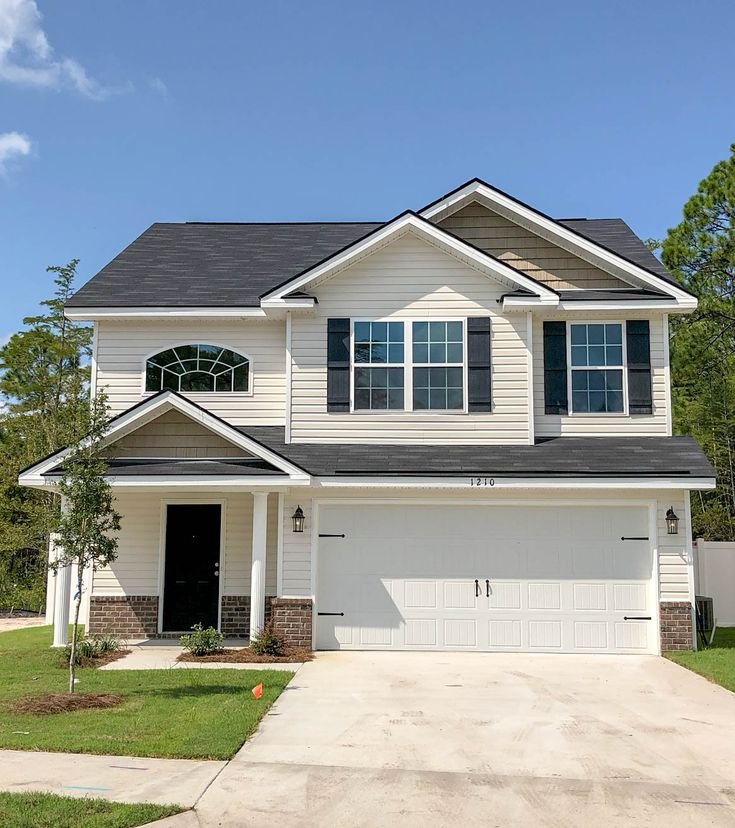
On average, a traditionally listed home spends anywhere from a few weeks to a couple of months on the market before going under contract, then another 30 to 45 days to close.
Add it up, and a typical timeline often lands somewhere between 60 and 120 days from the day you list to the day you actually close.
That said, “typical” covers a lot of ground. In a strong seller’s market with low inventory, well-priced homes in good condition can attract offers within days.
In a slower market, or if a home is priced too high or needs visible repairs, it can sit for several months without a serious offer.
Local market conditions vary widely from one city to another and even one neighborhood to the next, so it’s worth looking at recent, comparable sales in your specific area rather than relying on national averages alone.
What Affects How Fast Your House Sells
Several factors work together to determine where you’ll fall in that range. Understanding them can help you set realistic expectations before you list.
Local Market Conditions
Supply and demand drive everything. When more buyers than homes are available, properties tend to move faster and closer to (or above) the asking price.
When inventory is high and buyer demand is soft, homes can linger for months. Interest rates, local job growth, and seasonal buying patterns also play a role.
Price and Condition
A home priced accurately for its condition and location typically attracts more interest, more showings, and faster offers.
Overpricing is one of the most common reasons a listing stalls. Buyers and their agents usually know a fair market value when they see one, and an overpriced home often just sits while comparable homes sell around it.
Condition matters too: homes that need major repairs, have deferred maintenance, or look bad in photos tend to take longer to sell through traditional channels or sell for less than owners hope.
Time of Year
Many markets see more buyer activity in spring and early summer, and a slower pace around the winter holidays. This isn’t universal, but it’s a pattern worth factoring into your timeline expectations.
How Long Does Closing Take After You Accept an Offer?
Once you accept an offer, you’re not done; you still have to close on the house, and that step has its own timeline.
For a traditional sale involving a mortgage lender, closing usually takes 30 to 45 days after you sign the contract.
That window covers the buyer’s loan underwriting, the home inspection and any negotiated repairs, the appraisal, a title search, and final paperwork.
If the buyer is paying cash and skipping financing contingencies, this stretch can be considerably shorter, sometimes just one to two weeks.
Financing is usually the biggest factor in how long closing takes, since mortgage underwriting, appraisal scheduling, and lender documentation requirements can each introduce delays largely outside your control as the seller.
What Happens During Closing
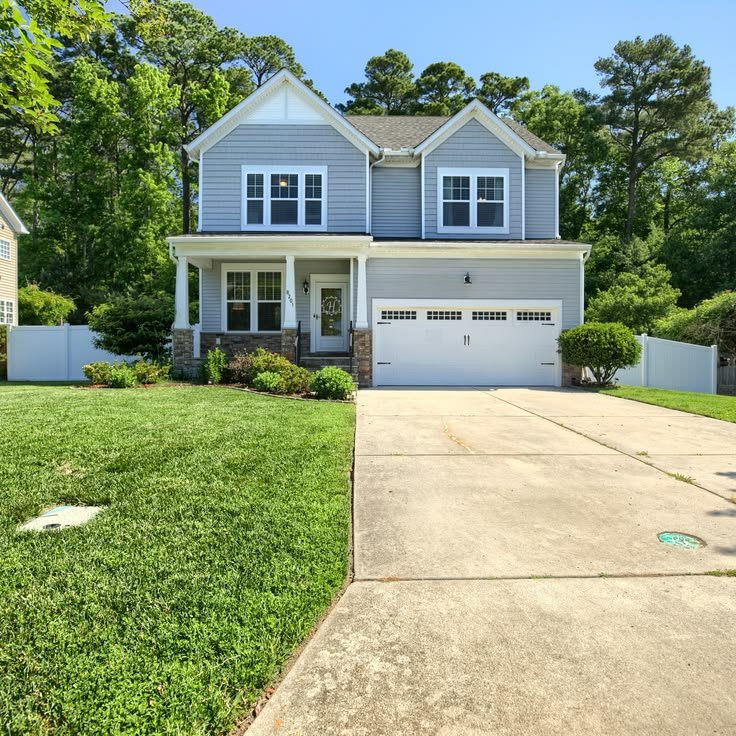
Closing involves a series of steps both sides must complete before ownership officially transfers. While the exact order and requirements vary by state and by transaction, the general stages usually include:
#1. Home inspection: The buyer typically has a licensed inspector evaluate the property and may request repairs or a price adjustment based on what they find.
#2. Appraisal: If the buyer is financing, their lender orders an appraisal to confirm the home’s value supports the loan amount.
#3. Title search and insurance: A title company verifies that no liens, disputes, or ownership issues affect the property.
#4. Final loan underwriting: The buyer’s lender completes its final review before clearing the loan to close.
#5. Final walkthrough and signing: Both parties review the final numbers and sign closing documents, often at a title or escrow company, sometimes remotely depending on the state.
Requirements for disclosures, attorney involvement, and specific closing procedures differ from state to state, so it’s a good idea to verify what applies in your area or work with a local real estate attorney or agent who can walk you through the specifics.
How to Shorten Your Selling Timeline
If speed matters to you, there are a few things within your control:
#1. Price it right from the start. Homes priced accurately based on recent comparable sales tend to attract offers faster than homes that start high and get reduced later.
#2. Handle repairs and staging up front. Addressing obvious issues before listing can prevent buyers from walking away or requesting lengthy repair negotiations after inspection.
#3. Have your documents ready. Gather title information, past permits, and disclosure paperwork ahead of time to prevent delays once you’re under contract.
#4. Consider your buyer pool. A cash buyer without a financing contingency can often close much faster than a buyer relying on a mortgage.
When a Traditional Timeline Doesn’t Fit Your Situation
Not every seller has two to four months to spare. You might be relocating for a job, working through a divorce, handling an inherited property, facing financial pressure, or want to avoid the ongoing work of showings, repairs, and negotiations.
In situations like these, a traditional listing timeline with its inspections, appraisals, financing contingencies, and open-ended showing schedule can feel like the wrong fit even if the market itself is healthy.
This is where selling directly to a cash home buyer can make sense. Because there’s no lender, no appraisal contingency, and often no repair negotiations, a cash sale can close in as little as a week or two, on a timeline you choose rather than one dictated by a buyer’s financing process.
Get a Cash Offer and Skip the Wait
If you’re weighing how long it takes to sell a house against how much time you actually have, it may be worth exploring a faster path.
At webuyhousesfastusa.com, we buy houses directly, as-is, for cash no repairs, no showings, and no waiting on a buyer’s mortgage approval.
We’ll give you a no-obligation cash offer so you can compare it against the traditional route and decide what timeline actually works best for your situation.